

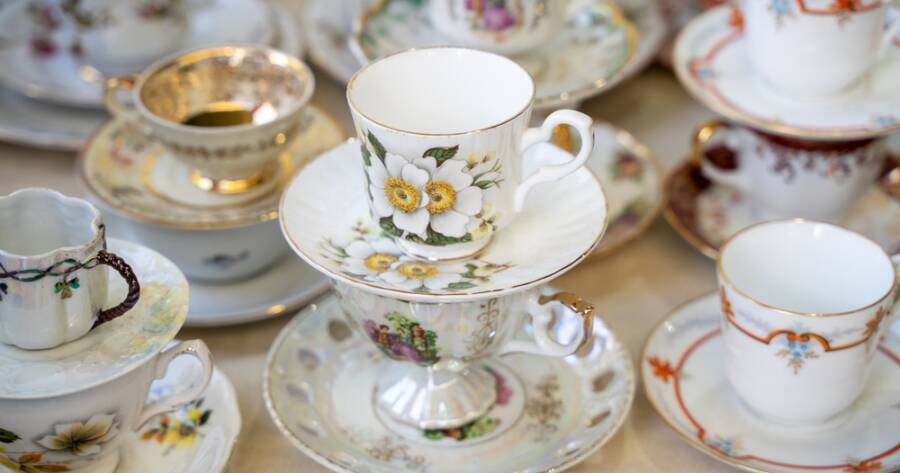
For collectors hunting treasure at estate sales, flea markets, and antique shops, 1950s dishware represents one of the most rewarding categories in vintage tableware — combining bold mid-century aesthetics with genuine market value that continues to grow.
Why 1950s Dishware Has Become So Collectible
The postwar era produced an extraordinary range of dishware styles, from elegant fine china to playful everyday ceramics that captured the optimism of the decade. Collectors today are drawn to these pieces not only for their nostalgic appeal but because certain brands and patterns have proven to hold — and increase — in value over time. Understanding which factors drive worth is the first step toward building a meaningful collection.
According to antiques experts, discontinued patterns are among the most desirable finds in vintage tableware. When a manufacturer stops producing a particular design, surviving pieces become finite, and demand among collectors can push prices well above what buyers originally paid (source). This principle applies across many of the most sought-after 1950s brands and lines.
Top Brands and Patterns Collectors Pursue
Several prestigious manufacturers produced dishware during the 1950s that commands serious attention from today’s collectors. Wedgwood and Spode, both longstanding English potteries, released patterns during this era that antiques dealers actively seek out, particularly when those designs were later discontinued (source). Sets or individual pieces from these makers in excellent condition routinely attract competitive interest.
Italian manufacturer Richard Ginori also produced dishware in the mid-twentieth century that ranks among the more valuable finds at auction and in private sales (source). The brand’s craftsmanship and refined aesthetic made it a favorite among buyers seeking luxury tableware, and surviving 1950s pieces are now prized by serious collectors.
Tiffany & Co. collaborated with Italian pottery Este Ceramiche to produce distinctive trompe l’oeil plates during a period spanning the mid-twentieth century. These decorative pieces, known for their highly realistic surface designs that mimic textures and objects, have earned a reputation as particularly sought-after finds on the vintage market (source). Pieces linked to the Tiffany name carry an additional layer of prestige that elevates their collectible status.
Meissen, one of the oldest European porcelain manufacturers — established in 1710 — continued producing its iconic patterns well into the twentieth century, including during the 1950s. Designs like the Blue Onion and Red Dragon remain highly recognizable, though collectors are advised to carefully distinguish authentic Meissen pieces from the many imitations that have circulated over the decades, as copies carry far less value (source).
Specific 1950s Patterns Collectors Still Pursue
Franciscan Starburst is one of the clearest examples of genuinely collectible 1950s dinnerware. Introduced in 1954, the California-made pattern combines turquoise, yellow, and green atomic motifs with irregular mid-century forms (source). Its value is supported by completed auction results rather than asking prices alone: a 39-piece Starburst service sold through John Moran Auctioneers for $1,500, substantially above its $600–$800 estimate (source).
Eva Zeisel’s Hallcraft Tomorrow’s Classic is another authentic 1950s line worth recognizing. Produced beginning in 1952, it became the number-one-selling dinnerware of the decade and is represented in museum collections today (source). Hallcraft pieces also continue to appear regularly in contemporary auctions, including large dinner services and individual serving pieces, indicating an active secondary market for Zeisel’s original designs (source). These specific patterns give collectors something much more concrete to look for than a famous maker’s name alone.
What Makes a Vintage Dish Truly Valuable
Brand name alone does not determine value. Experts point to a range of additional factors that collectors should evaluate when assessing a piece. Condition matters enormously, though not always in the way newcomers might expect. Certain signs of age — such as light glazing wear consistent with years of regular cleaning or minor marks from cutlery use — can actually signal authenticity rather than diminish value (source). Pieces in suspiciously perfect condition sometimes raise questions about their true age.
Provenance and specialty markings also play a significant role. For example, military serveware marked to a specific vessel carries substantially more collector interest than generic pieces from the same era, particularly when the item is linked to a ship with historical significance (source). This same logic applies across other specialty categories — the more specific and traceable the history, the greater the potential value.
Large sets of vintage china present a unique opportunity for collectors. Because complete sets are fragile and difficult to store or transport, dealers are frequently motivated to move them quickly, which can create favorable purchasing conditions for buyers who know what they are looking for (source). A full service of a discontinued 1950s pattern in solid condition can be a significant find.
Folk Art and Artistic Styles That Carry Exceptional Worth
Not all valuable 1950s dishware comes from fine china manufacturers. Pieces that demonstrate strong artistic vision — particularly those with folk-art or expressive naive-style designs — can carry remarkable historical importance and market value. Clarice Cliff’s celebrated Bizarre line serves as a reference point in this category, illustrating how bold artistic choices in mid-century ceramics can translate into enduring collectible worth (source). Collectors who expand their focus beyond traditional fine china often discover significant pieces that others overlook.
The 1950s also saw a flourishing of regional American pottery studios and smaller manufacturers producing distinctive everyday dinnerware. These pieces — often featuring the bold colors and geometric patterns characteristic of mid-century design — are gaining increasing recognition among collectors who appreciate their cultural significance alongside their visual appeal.
How Collectors Find and Authenticate Valuable Pieces
Knowing what to look for is only part of the equation. Finding authentic pieces requires patience and a willingness to research individual manufacturers, patterns, and markings. Backstamps — the manufacturer’s marks applied to the underside of dishware — are essential reference points for identifying makers, dating pieces, and distinguishing originals from reproductions. Collectors who study these marks closely develop a meaningful advantage when hunting for valuable 1950s dishware.
Working with reputable antiques dealers and auction platforms that specialize in vintage tableware also provides access to expert knowledge and vetted inventory. Dealers who focus on this category understand which patterns and brands are currently in demand and can help collectors avoid costly mistakes when assessing authenticity (source).
Why You Should Learn More About Valuable Vintage Dishware
The market for 1950s dishware rewards collectors who invest time in learning the landscape. From prestigious names like Meissen, Wedgwood, and Richard Ginori to specialty pieces tied to unique provenance, the variety of valuable mid-century dishware is broader than many people realize.
Understanding how discontinued patterns, artistic style, condition, and maker identity intersect gives collectors the knowledge needed to make smart acquisitions. Whether someone is just beginning to explore this category or looking to deepen an existing collection, the combination of historical richness and genuine market value makes 1950s dishware one of the most compelling areas of antique collecting available today.