

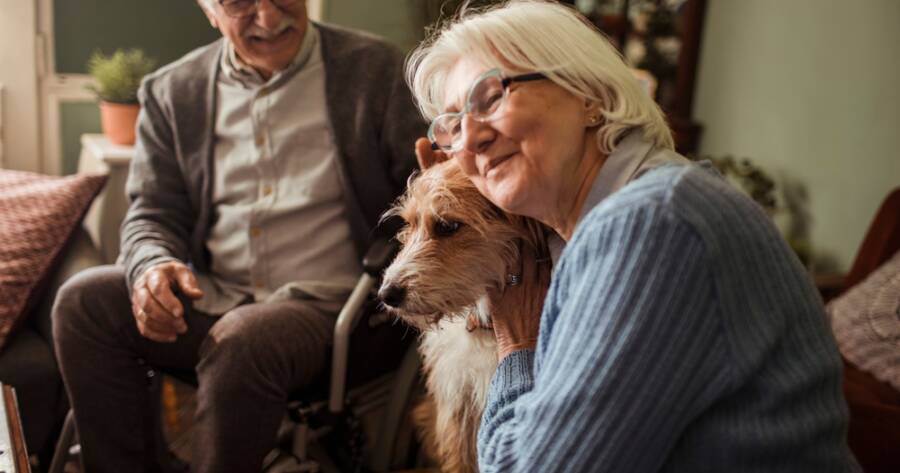
Adopting a dog later in life can be one of the most rewarding decisions a senior makes — bringing companionship, purpose, and joy to everyday routines. Knowing which breeds suit a quieter lifestyle and how to approach the adoption process makes all the difference.
Why Dogs and Seniors Are a Natural Fit
The bond between older adults and their dogs is backed by more than sentiment. Research has found that adults aged 60 and older who own pets are significantly less likely to describe themselves as lonely compared to those without animal companions (source). That sense of connection has real, measurable effects on daily life.
Dogs specifically have been shown to reduce stress, anxiety, and depression while also encouraging regular physical activity and improving overall health outcomes (source). For many seniors living alone, a dog transforms the daily rhythm — adding structure, warmth, and a reason to get outside.
The benefits extend into managing serious health conditions as well. Pet ownership has been linked to reduced distress, lessened feelings of isolation, and lower rates of depression among older adults navigating long-term illnesses such as Alzheimer’s disease and dementia (source). A calm, affectionate dog can serve as a grounding presence in ways that few other interventions can replicate.
Exercise, Health, and the Power of a Daily Walk
One overlooked benefit of dog ownership for seniors is how naturally it builds physical activity into the day. More than 60% of dog owners meet the weekly physical activity targets recommended by health professionals — 150 minutes of moderate exercise or 75 minutes of vigorous activity — largely because their dogs require regular walks (source). For older adults, consistent, low-impact movement like walking supports cardiovascular health, joint mobility, and mental clarity.
Seniors who own pets also report improvements in stress levels and overall quality of life alongside increased daily activity (source). A dog’s need for routine can actually benefit its owner just as much — creating a reliable schedule that promotes healthy habits without requiring a formal fitness plan.
Choosing the Right Breed for a Calmer Lifestyle
Not every dog is well-suited to every person, and breed characteristics play a significant role in how smoothly the pairing works. The most important factors for seniors to weigh are not strictly age-related — lifestyle and physical capacity matter far more when identifying a compatible companion (source). A high-energy working breed may be deeply rewarding for an active senior, while a gentler, lower-energy dog fits someone who prefers a quieter pace.
The Cavalier King Charles Spaniel is frequently highlighted as an excellent match for older adults. Bred intentionally to be non-aggressive, gentle, and comforting, these dogs naturally adapt to the preferences and energy levels of their owners — whether that means leisurely walks or relaxed evenings at home (source). Other smaller, low-maintenance breeds with calm temperaments can be equally suitable depending on living arrangements and mobility.
Grooming demands, trainability, and compatibility with apartment or small-home living are all worth considering during the selection process. A dog that requires frequent professional grooming or intensive daily exercise may become burdensome, whereas one that thrives with moderate attention and moderate activity levels often becomes a seamless part of a senior’s household.
Puppy or Adult Dog: What Works Best
One of the most meaningful choices in the adoption process is whether to bring home a puppy or an adult dog. Both paths are genuinely viable, and neither is universally superior. Some seniors enjoy the bonding experience that comes with raising a puppy, while others find that adopting an adult dog — which may already be housebroken and comfortable on a leash — better suits their energy levels and lifestyle (source).
Adult dogs available through shelters and rescue organizations often come with known temperaments and basic training already in place. This can make the transition into pet ownership smoother and less demanding, particularly for first-time dog owners or those returning to pet ownership after many years. Shelter staff can frequently match prospective adopters with animals whose personalities align closely with the kind of home environment being offered.
Puppies, on the other hand, offer the opportunity to shape habits and build a long-term bond from the earliest stages. For seniors with the time, patience, and physical energy to navigate the early months of puppy training, this route can be deeply fulfilling. The key is honest self-assessment — matching the dog’s needs with what the adopter can genuinely and sustainably provide.
Practical Considerations Before Adopting
Beyond breed and age, a number of practical factors shape whether dog ownership will be sustainable and enjoyable for a senior. Living arrangements matter — some housing communities have restrictions on pet size or breed, so confirming those policies before moving forward saves considerable difficulty. Seniors who travel frequently or have health conditions that may affect their ability to care for a dog should also think through contingency plans involving family members or trusted friends.
Financial planning is another important element. Routine veterinary care, quality nutrition, grooming, and unexpected medical costs all factor into the true cost of responsible dog ownership. Many senior adopters find that establishing a relationship with a trusted local veterinarian early on provides both peace of mind and better long-term care for their companion.
Support networks are equally valuable. Knowing that a neighbor, family member, or professional pet sitter is available when needed allows seniors to enjoy pet ownership with confidence rather than anxiety. The more prepared an adopter is before bringing a dog home, the more joyful and sustainable that relationship becomes.
Learn More About Companion Dog Adoption
The research is clear: dogs enrich the lives of older adults in ways that span emotional, physical, and social wellbeing. From reducing feelings of loneliness to encouraging daily movement and providing genuine comfort during difficult health challenges, the right canine companion can transform daily life for a senior.
Taking the time to understand breed temperament, assess personal lifestyle needs, weigh the choice between a puppy and an adult dog, and prepare practically for ownership sets the stage for a deeply rewarding partnership. For seniors considering this step, thoughtful preparation and the right match make all the difference between a challenging adjustment and a joyful new chapter.