

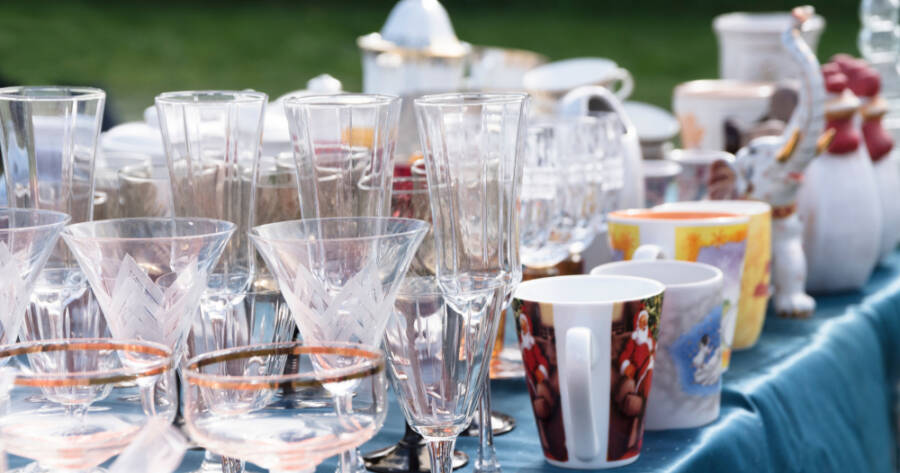
Bold patterns, metallic accents, and distinctive shapes have helped vintage drinking glasses earn a lasting place in the collectibles market. Decades after many were first produced, older barware continues to attract buyers drawn to craftsmanship, character, and nostalgic design. Certain makers and patterns stand out more than others, turning once-everyday glasses into sought-after finds at antique shops and estate sales.
Why 1970s Drinking Glasses Are Having a Major Moment
Mid-century glass spanning the 1940s through the 1970s is widely regarded as the hottest collectible antique glass category on the market right now (source). That renewed enthusiasm is not simply nostalgia at work. Collectors are drawn to these pieces because of their heavyweight construction, distinctive decorative details, and the quality of materials used in their production. Many vintage cocktail glasses feature gold or silver rims that set them apart visually and physically from anything manufactured today, giving them a commanding presence that modern barware simply cannot replicate (source).
The 1970s in particular produced glassware that blended bold artistic expression with functional design. Brands operating during this era leaned into decorative motifs, rich metallic accents, and distinctive shapes that made each piece feel more like a work of art than a utility item. As a result, sets from this period are now turning up at antiques malls, estate sales, and upscale dealers at prices that reflect genuine collector demand.
Georges Briard: Sophistication That Still Commands the Room
Among the brands collectors actively pursue, Georges Briard glassware consistently ranks at the top. Originally stocked by high-end department stores such as Neiman Marcus, Briard pieces carried a premium reputation from the start, and that status has only grown over time (source). Upscale antiques dealers report that double old-fashioned glasses from this brand sell particularly well, with named designs such as Pickled Personality, Name Your Poison, and Muddled Wisdom drawing the most collector attention (source).
Part of what makes Briard pieces so appealing is the intersection of wit and elegance. The designs carry a playful energy that feels at home in a vintage-inspired entertaining space, while the quality of the glasswork itself satisfies collectors who prioritize craftsmanship over novelty. For anyone building a serious barware collection, tracking down authentic Briard pieces remains a rewarding pursuit.
Fred Press and the Art of Gold Decoration
Fred Press built his reputation in New York City beginning in the 1950s, decorating glassware with 22 and 24-karat gold in ways that made each piece feel genuinely luxurious (source). Collectors with a taste for his work tend to gravitate toward highball sets and pieces featuring his signature fish, leaf, and atomic star motifs, all of which carry a distinctly mid-century character that resonates with today’s buyers (source).
The atomic star design in particular captures the optimistic futurism that defined American decorative arts in the postwar decades. Finding complete highball sets in good condition requires patience, but the payoff for collectors who do locate them is substantial, both in terms of display value and long-term collectibility.
Culver Glass: The Accessible Entry Point for New Collectors
Not every collector enters the vintage glassware market at the top tier, and Culver glass offers an ideal starting point for those newer to the hobby. Produced around the 1960s and into the 1970s, Culver pieces are described by dealers as a more accessible category, with designs like Valencia and Seville among the most frequently sought by buyers entering the market (source). Holiday pieces featuring 22-karat gold detailing rank among the most in-demand finds within the Culver lineup (source).
What makes Culver an appealing category is the range of price points available. Mid-century glass in general tends to be affordable and accessible across a spectrum of budgets, though certain especially unique or master-crafted examples can still drive higher prices for collectors who want a true statement piece (source). For a new collector, starting with Culver provides a low-risk way to develop an eye for quality and authenticity before moving into higher-value territory.
How to Authenticate and Avoid Reproductions
One practical challenge for any vintage glass collector is distinguishing original pieces from later reproductions. Dealers and experienced collectors recommend consulting an identification and price reference before making purchases, since these resources help buyers understand what authentic examples look like, what price ranges are reasonable, and what resale potential a given piece carries (source).
Certain brands offer built-in authentication clues. Fenton Glass, for example, began incorporating its logo directly into molded glass products starting in 1970, which makes pieces from that point onward easier to verify as genuine (source). For brands like Georges Briard and Fred Press, examining the quality of the gold application and the weight of the glass itself can help separate authentic vintage pieces from inferior imitations. Heavyweight construction and precisely applied metallic decoration are hallmarks of the genuine article.
Condition matters considerably in this market. Chips, fading gold, and cloudy glass all reduce a piece’s desirability, so inspecting items carefully before purchasing is essential. Collectors who shop at reputable antiques malls or work with knowledgeable dealers gain an advantage, as trustworthy sellers are more likely to have already vetted their inventory for authenticity and condition.
Building a Collection That Stands Out
Building a meaningful vintage glassware collection often starts with identifying a focus. Some collectors zero in on a single brand and pursue complete sets, while others seek out specific motifs or materials such as 22-karat gold detailing. Either approach produces a collection with intentional character rather than a random assortment of pieces.
The 1970s barware market rewards patient, educated buyers. American, Scandinavian, Italian, and English styles from the mid-century era each carry distinct design signatures that experienced collectors learn to recognize over time (source). Developing familiarity with those regional differences, as well as with the specific output of brands like Georges Briard, Fred Press, and Culver, gives collectors the confidence to act quickly when a valuable piece surfaces.
Why Collectors Should Keep Learning About Vintage Drinking Glasses
The market for 1970s vintage drinking glasses rewards those who invest time in understanding what makes each piece valuable. Brands like Georges Briard, Fred Press, and Culver each represent a distinct chapter in American decorative arts, producing glassware that combined everyday function with genuine artistry. The combination of bold motifs, premium gold detailing, and heavyweight construction created objects that have outlasted their era and grown more desirable with time.
For collectors at every experience level, from those just discovering Culver to seasoned hunters tracking down rare Briard sets, this category offers a rewarding blend of history, aesthetics, and lasting value. Deepening one’s knowledge of authentication, regional styles, and specific brand histories remains the most reliable path to building a collection worth owning.