

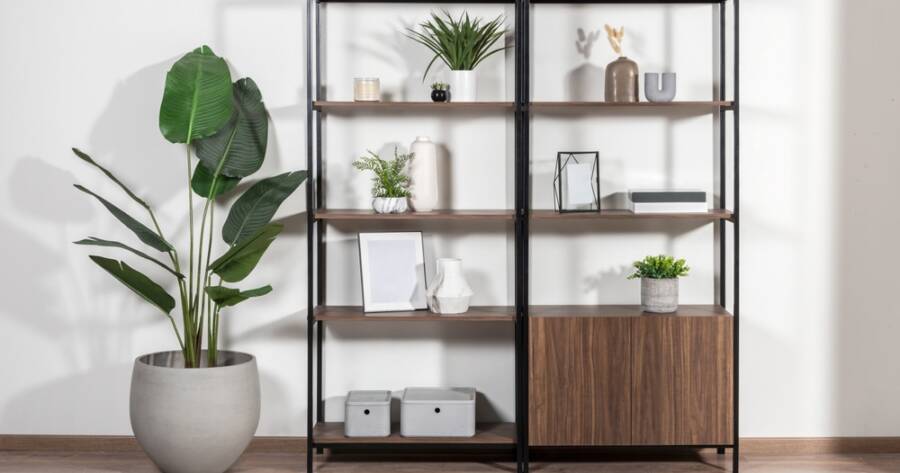
The way people display their favorite possessions at home is changing, but not because everything traditional has suddenly fallen out of style. Formal collections are sharing space with a more relaxed, personal approach that mixes old and new in unexpected ways. Furniture once associated with special-occasion dinnerware is also finding new life, giving homeowners more freedom to decide what deserves a place on display.
The Decline of Fine China as a Display Staple
For decades, fine china represented a kind of domestic milestone. Couples registered for matching sets, families inherited elaborate collections, and dedicated display cabinets became a fixture in dining rooms across the country. That tradition, however, has largely run its course. Acquiring a set of china is no longer the rite of passage it once was, and many people no longer include it on a wedding registry at all (source).
The shift isn’t just about taste. It’s also about space and lifestyle. Personal organizer Cecilia Jones has observed the trend firsthand, noting that “more and more younger people don’t see the need to use their space for things that are ceremonial” (source). Smaller homes, minimalist aesthetics, and a preference for everyday functionality over formal occasions have all played a role in pushing fine china out of the spotlight.
The downstream effect has been a surplus of unwanted sets. China has become a staple at garage sales, secondhand stores, and flea markets, as two of the most acquisitive generations in American history, the Greatest Generation and Baby Boomers, continue to downsize (source). Author Adam Minter has noted that this combination of downsizing and generational wealth transfer is creating “a surplus of all kinds of secondhand stuff, heirlooms and otherwise” (source).
How Gen Z Is Rethinking What Goes on Display
Where older generations once prized formal dinnerware and dedicated display furniture, today’s younger homeowners are gravitating toward something far more personal. According to Margaret Schwartz, founder of Modern Antiquarian in New York City, “Gen Z often prioritizes open shelving or simpler storage solutions instead of dedicating an entire piece of furniture to display” (source). This preference reflects a broader cultural shift: display is no longer about demonstrating wealth or social status but about expressing individual identity.
Antique dealer Tarah Walker, who founded Sourcing Home in Chicago, has observed that items like formal china sets and crystal champagne coupes simply don’t resonate with younger collectors the way they once did with previous generations (source). The appetite for formal, matching sets has given way to a desire for items that feel lived-in, meaningful, and genuinely used.
That last point is key. Courtney Garzione, founder of Grand & Now in Sarasota, Florida, captures the ethos of younger collectors succinctly: “Gen Z is using their plates, versus saving the fine china for a special day” (source). The idea of reserving beautiful things for rare occasions is increasingly out of step with how younger people think about their homes.
Curated Over Collected: A New Approach to Home Display
Rather than accumulating full collections of matching items, younger generations are embracing what might be called a curated approach to home décor. Instead of amassing multiples of the same type of item, Gen Z prefers to select meaningful mementos and display pieces that carry personal significance (source). A single striking ceramic piece, a well-traveled object picked up at a market, or a family heirloom chosen for its story — these are the kinds of items making their way onto modern shelves.
Open shelving has become a major design vehicle for this kind of display philosophy. Without the rigid structure of a china cabinet, open shelves allow homeowners to mix textures, scales, and origins freely. Books sit beside plants, handmade pottery shares space with vintage finds, and arrangements can shift as tastes evolve. The emphasis is on flexibility and personal narrative rather than uniformity.
This approach also aligns with a more sustainable and intentional relationship with objects. Rather than purchasing large sets of items that may rarely be used, younger homeowners are investing in fewer, more meaningful things. The result is a home environment that feels personal rather than performative — spaces designed for the people living in them, not for an imagined audience of formal guests.
What Modern Display Trends Look Like in Practice
The practical expression of these values looks quite different from the dining rooms of previous decades. Open shelving in kitchens might feature a mix of everyday ceramics in complementary but non-matching styles. Living spaces may highlight a rotating selection of art, travel souvenirs, or vintage objects with interesting histories. Display is increasingly informal, dynamic, and layered with personal meaning.
The formal china cabinet hasn’t entirely disappeared, but its role has changed. Some homeowners repurpose these pieces to hold books, houseplants, or an eclectic mix of objects — essentially transforming a once-rigid display format into something more imaginative. The furniture itself can remain; it’s the contents and the philosophy behind them that have shifted.
Color, texture, and material diversity also play a larger role in modern display aesthetics. Rather than the uniformity of a twelve-piece matching set, today’s home displays tend to layer different materials, like wood, ceramic, metal, glass, and natural fibers, to create visual interest. This mixing of elements reflects an appreciation for craft and individuality over the coordinated elegance that defined fine china’s peak popularity.
Why You Should Learn More About Modern Home Display Trends
Understanding the forces reshaping home display culture offers more than decorating inspiration. It provides real insight into how values around consumption, identity, and domesticity are evolving. As generations like Millennials and Gen Z continue to make their mark on interior design, the shift away from formal, ceremonial collections toward curated, personal, and functional displays is only deepening.
Whether someone is furnishing a first apartment or rethinking a long-established home, these trends offer a meaningful framework for making spaces feel authentic and intentional. Exploring what younger generations are choosing to showcase, and what they’re leaving behind, can help anyone create a home that truly reflects how they live.