

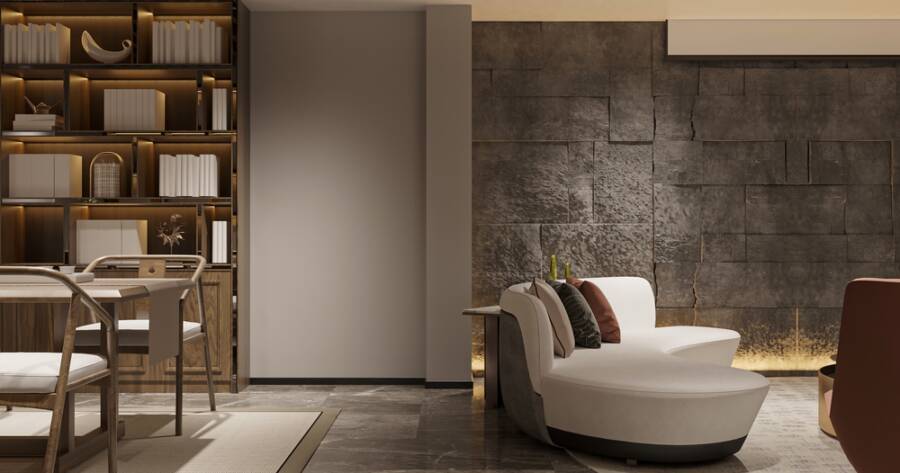
Curio cabinets once dominated living rooms and dining spaces, but modern display furniture has taken a more flexible and personal direction. Homeowners are increasingly choosing pieces that feel lighter, cleaner, and easier to style around meaningful objects. Glass-front cabinets, open shelving, and updated storage designs now offer more ways to showcase collections without relying on the heavy, formal look of older furniture.
The Rise and Fall of the Ornate Curio Cabinet
For decades, the curio cabinet served as the go-to solution for homeowners who wanted to display their treasured collectibles, fine china, and small decorative objects. These pieces were typically heavy, ornate structures, often crafted from dark cherry wood, with carved detailing and a distinctly formal presence. They dominated corners of living rooms and dining spaces across American households, signaling a sense of pride in one’s possessions (source).
But tastes evolve. The elaborate, display-heavy aesthetic that once defined the well-appointed home has steadily lost ground to something quieter and more considered. Today’s homeowners are moving away from pieces that announce themselves loudly and toward furnishings that feel curated, personal, and built to last. The classic curio cabinet, in its traditional form, has struggled to survive this shift.
What the Modern Curio Cabinet Looks Like Now
The curio cabinet hasn’t disappeared entirely—it has simply transformed. Contemporary versions bear little resemblance to the ornate corner cabinets that defined previous generations. Today’s designs favor clean lines, streamlined silhouettes, and a much broader palette of finishes that work across a variety of interior styles (source). Whether a homeowner leans toward minimalist, mid-century, or updated traditional aesthetics, there’s a current display cabinet format that fits.
One defining feature that carries over from earlier versions is the fully glazed front—a characteristic that distinguishes curio cabinets from china cabinets, which typically incorporate drawers alongside display space (source). This unobstructed glass panel remains central to the cabinet’s purpose: maximum visibility for whatever is displayed inside. Glass shelving reinforces this transparency, allowing light to pass through and giving delicate items like fine glassware or porcelain an almost gallery-like presentation (source).
Built-in LED lighting has become another hallmark of contemporary display furniture. When integrated effectively, this kind of illumination “casts a soft, ambient glow, ensuring your items are seen in the best light,” fundamentally changing the way a collection reads within a room (source). A well-lit cabinet elevates even modest collections into something that feels thoughtfully presented.
Flexibility and Functionality in Modern Display Furniture
Beyond aesthetics, practicality has become a core demand. Freestanding display cabinets offer a significant advantage over both wall-mounted shelving and older built-in styles: they can be repositioned as a room’s layout changes, and in some configurations even function as room dividers, offering display access from two sides (source). This kind of adaptability resonates strongly with how modern homeowners think about furniture—less as permanent fixtures and more as flexible elements of a living space.
What goes inside these cabinets has also shifted. Rather than filling every shelf with matching collectibles or inherited heirlooms, today’s approach favors a relaxed mix of objects. Decorative books, small plants, sculptural boxes, and meaningful personal items all share space in a way that feels organic rather than arranged (source). The goal is a display that looks assembled over time, not purchased as a set.
The Broader Design Shift Driving These Changes
The transformation of the curio cabinet doesn’t exist in isolation—it reflects a much wider change in how Americans approach their homes. Interior designers have noted a pronounced move away from “stage set interiors” filled with loud statement pieces, replaced by rooms that feel genuinely personal and “collected” over time (source). Rooms built around dramatic visual impact are giving way to spaces that prioritize meaning and quality over spectacle.
This philosophy extends to where people source their display pieces. Auction houses and estate sales have gained traction as alternatives to traditional home furnishing retailers, attracting shoppers drawn to items with history and individuality (source). The appeal lies not just in aesthetics but in the sense that a piece has a story—something no mass-produced cabinet can replicate.
The concept of “quiet luxury” has also reshaped expectations around display furniture specifically. Rather than chasing trendy silhouettes or flashy finishes, homeowners are prioritizing “classic, investment pieces” that anchor a room and remain relevant as tastes change (source). A well-chosen display cabinet, updated with new objects over the years, fits neatly within this framework.
Interestingly, even more functional storage areas have taken on a display dimension. Designers report growing client interest in butler’s pantry-style spaces for showcasing flatware and china, designed with something close to “a retail display quality” (source). The impulse to present cherished objects beautifully hasn’t faded—it has just found more varied and thoughtful expression.
Curation Over Collection
Perhaps the most significant change isn’t the furniture itself but the mindset behind it. Designers increasingly advocate for “embracing the art of the collection” and curating stuff within the home, treating personal objects as worthy of genuine editorial attention (source). This shift repositions the homeowner from passive accumulator to active curator—someone who makes deliberate choices about what deserves space in their home and how it should be shown.
Modern display cabinets, in their many current forms, serve this curatorial impulse well. They provide a defined, protected space for meaningful objects while offering the clean visual framework that contemporary interiors demand. Whether a homeowner is showcasing hand-painted ceramics, vintage glassware, travel souvenirs, or a carefully assembled book collection, today’s display furniture adapts to the story being told rather than imposing a style of its own.
Why You Should Learn More About Modern Home Decor Trends Today
The evolution from ornate curio cabinets to sleek, light-filled display furniture tells a larger story about how American homes are changing. Personalization, intentionality, and investment-minded thinking have reshaped what people display and how they display it. Today’s options range from freestanding glass-front cabinets with integrated lighting to open, mixed-use shelving that blends decorative and everyday objects.
The underlying thread is a desire for spaces that feel genuinely inhabited and thoughtfully assembled. For anyone reconsidering how their home reflects who they are, exploring the range of modern display furniture available today is a meaningful first step toward a more curated and personally resonant living space.