

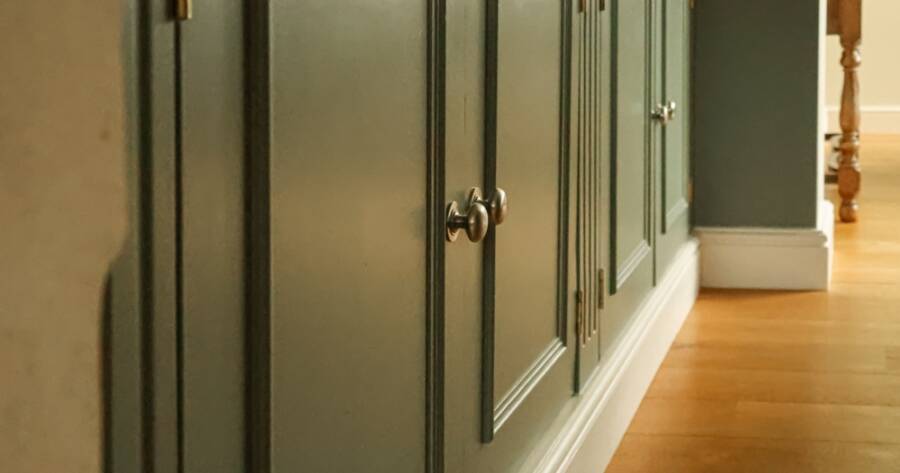
Kitchen cabinets set the visual tone for the entire cooking space. The way cabinets are styled — from the finish and color to what sits above them — determines whether a kitchen feels truly finished or simply functional.
Cabinet Finishes That Define Modern Kitchens
The surface treatment on kitchen cabinetry carries more weight than many homeowners realize. Among the most talked-about options heading, lacquered finishes have earned a prominent spot in professionally designed spaces. Their glossy surfaces actively reflect light, which makes a room feel both brighter and more open — a quality that suits modern and contemporary homes particularly well, while also being straightforward to wipe clean (source).
Natural wood continues to hold strong appeal as well. Solid oak and walnut remain popular choices among interior designers, and vertical wood-grain decorative elements are appearing with increasing frequency on cabinet fronts throughout 2026 (source). These materials bring warmth and organic texture into a space that can otherwise feel cold or overly polished, striking a balance that appeals to a wide range of tastes.
Door Style Trends Worth Knowing
Cabinet door profiles shape the overall design language of a kitchen just as powerfully as color or material. The classic Shaker style continues to dominate, but a refined variation known as the micro Shaker is gaining traction. This approach retains the same timeless character of standard Shaker cabinetry while using a narrower frame, producing a look that feels at once familiar and distinctly contemporary (source).
Period-inspired details are also returning to kitchen design, with decorative hardware, carved moldings, and ornamentation drawn from historical styles giving cabinetry a more personalized and character-rich appearance. These elements work especially well in older homes where architectural details are already present, allowing the kitchen to feel cohesive with the rest of the space rather than out of place.
Playing With Color Through Two-Tone Cabinetry
For homeowners who want to introduce visual depth without committing to a single bold color across every surface, two-tone cabinet schemes offer a compelling solution. Design professionals generally recommend placing darker shades on lower cabinet runs and reserving lighter tones for the upper ones. Popular pairings include navy or forest green against cream, white, or soft grey — combinations that create contrast and dimension without making a space feel heavy (source).
This approach also allows the kitchen to transition smoothly between zones. The lower cabinets, which anchor the room visually, carry a grounding color, while upper cabinets open the space upward with lighter tones. The result is a kitchen that feels intentionally designed rather than assembled from individual choices.
Above-Cabinet Styling: Creating a Finished Look
The space between the tops of kitchen cabinets and the ceiling is one of the most commonly overlooked areas in home design. Left bare, it can make a kitchen feel unfinished or dated. Styled thoughtfully, it becomes an opportunity to layer personality into the room without cluttering the work surfaces below.
A well-curated above-cabinet display starts with variety — mixing books, small framed artwork, faux botanicals, and decorative objects like bowls, ceramic vessels, and glass jars creates a collected look that feels lived-in rather than staged (source). Materials with natural texture, such as wicker, jute, and ceramics in neutral or earthy tones, are particularly well-suited to current design sensibilities.
Arrangement matters just as much as object selection. Grouping pieces in clusters of two or three tends to work best, since the eye naturally gravitates toward odd-numbered arrangements and tightly composed groupings (source). Equally important is the space left between clusters — maintaining roughly one to two feet of breathing room between each grouping keeps the display from feeling chaotic and preserves an intentional, elevated aesthetic (source).
Structural Enhancements Above the Cabinets
Beyond decorative objects, certain architectural additions can elevate the above-cabinet zone further. Crown molding is a classic enhancement that visually connects the cabinetry to the ceiling, giving the kitchen a more built-in, custom appearance. When crown molding stops short of the ceiling, the gap between the molding and the ceiling can be addressed creatively — LED accent lighting positioned behind the molding casts a warm, diffused glow that brightens the upper portion of the room and draws attention upward (source).
Stacked display cabinets represent another structural option for those who want additional storage without sacrificing style. These secondary cabinets, placed on top of standard ones, not only extend vertical storage but also give the kitchen a more finished and furniture-like quality. Glass-front versions allow decorative dishware or collectibles to remain visible, turning functional storage into a design feature in its own right.
Learn More About Kitchen Cabinet Decorating
Kitchen cabinet decorating has evolved well beyond a simple choice of wood stain or hardware finish. From lacquered surfaces and micro Shaker doors to two-tone color strategies and thoughtfully styled above-cabinet displays, today’s design landscape offers a rich variety of approaches suited to different home styles and personal preferences.
Understanding the trends and principles at play helps homeowners make choices that serve both aesthetics and function. Whether planning a full renovation or refreshing an existing kitchen, exploring the full range of cabinet styling possibilities can transform an ordinary kitchen into a space that feels cohesive, considered, and genuinely inviting.