

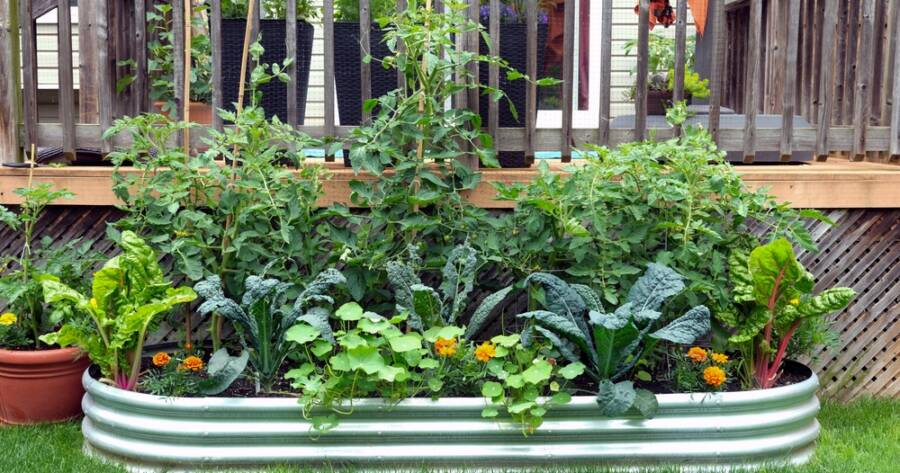
Front yard container gardens offer a versatile, affordable, and visually striking way to elevate a home’s exterior. Whether working with a sprawling porch or a narrow walkway, the right combination of pots, plants, and placement can completely transform how a home looks from the street.
Why Container Gardens Work So Well in Front Yards
Container gardening gives homeowners unmatched flexibility when it comes to adding personality and color to their front yards. Unlike in-ground planting, containers can be repositioned, swapped out seasonally, or adjusted to suit a changing landscape design. They allow for creativity in tight spaces and can draw the eye toward an entryway, along a path, or to a focal point in the landscape.
Research from the National Garden Bureau reinforces just how much visual impact the front yard makes—homes with strong curb appeal tend to sell for measurably more than comparable properties with uninviting exteriors (source). A well-placed container garden is one of the most cost-effective ways to achieve that kind of appeal.
The Thriller, Filler, Spiller Approach
One of the most widely used design principles in container gardening is the “Thriller, Filler, Spiller” concept, a three-part formula that results in layered, dynamic arrangements. A tall, dramatic plant—the thriller—anchors the composition and provides vertical interest. Medium-height plants, called fillers, build out the body of the arrangement, adding volume and texture. Finally, trailing plants known as spillers cascade over the pot’s edge, softening the overall look and adding movement (source).
Applying this formula consistently across multiple containers throughout the front yard creates a polished, professional appearance that looks intentional rather than random.
Choosing the Right Containers
The container itself plays a significant role in the final look of any front yard display. Plastic pots hold moisture longer than ceramic alternatives, which can be a major advantage during dry summer months. Smaller containers tend to dry out rapidly and may require more frequent watering, while larger pots retain soil moisture more effectively (source). Drainage holes are essential in all containers to prevent root rot.
Beyond function, the aesthetic of the pot matters too. Matching container materials to the architectural style of the home creates visual cohesion. A craftsman-style house might suit weathered wood or aged terracotta, while a modern home could benefit from sleek concrete or metal planters.
Unconventional Planters That Add Character
Some of the most memorable front yard container gardens feature unexpected vessels. Galvanized metal buckets, vintage milk cans, washtubs, roasting pans, teapots, and watering cans all serve as charming and creative planting containers that instantly give a front yard a distinctive personality (source). These unique choices often become conversation starters and reflect the homeowner’s individual style in a way that standard nursery pots simply cannot.
Coordinating Colors for a Cohesive Look
Color coordination between containers and the surrounding landscape makes a front yard feel intentional and designed rather than assembled by chance. If a specific color already appears in the garden beds or along the walkway, selecting containers in a matching or complementary hue reinforces the palette and adds visual consistency. According to the National Garden Bureau, using containers to echo an accent color elsewhere in the landscape is a practical strategy for achieving a cohesive, curated appearance from the street (source).
Long-Term Value: Containers as a Plant-Building Strategy
Container gardening in the front yard doesn’t have to be a temporary or disposable endeavor. Trees, shrubs, and perennials grown in containers for a season or more can eventually be transplanted into the ground, allowing homeowners to gradually expand their plant collection over time (source). This approach turns seasonal container displays into a long-term investment in the landscape.
Placing a dramatic single container near the front entry or as a standalone focal point in the yard is one of the most effective ways to stretch a gardening budget while still making a strong visual statement (source). A single well-designed pot can anchor an entire front yard design.
Placement Strategies That Make an Impact
Where containers are positioned matters as much as what goes in them. Flanking the front door with a pair of matching planters creates symmetry and a welcoming frame for guests. Lining a walkway with varying container heights guides visitors naturally toward the entrance. Positioning a large, colorful pot at the end of a driveway draws the eye and signals the personality of the home before a visitor even reaches the door. Container gardening “lets you add visual interest anywhere you want to draw the eye or direct traffic,” as Proven Winners notes (source).
Layering containers of different sizes and heights at a front entry creates depth and dimension. Grouping odd numbers of pots—three or five together—tends to look more natural and visually balanced than even-numbered groupings.
Why You Should Learn More About Front Yard Container Gardening
Front yard container gardening is far more than a decorative afterthought—it’s a practical, flexible, and rewarding way to shape how a home presents itself to the world. From the choice of vessel to the layering of plants and the coordination of color, every decision contributes to an exterior that feels welcoming and thoughtfully designed.
Whether a homeowner is starting with a single pot near the front door or building out an entire arrangement across a wide porch, container gardening offers immediate visual rewards and long-term landscape value. Exploring design principles, creative container choices, and seasonal planting strategies opens up a world of possibilities that can transform any front yard into a genuinely beautiful space.