

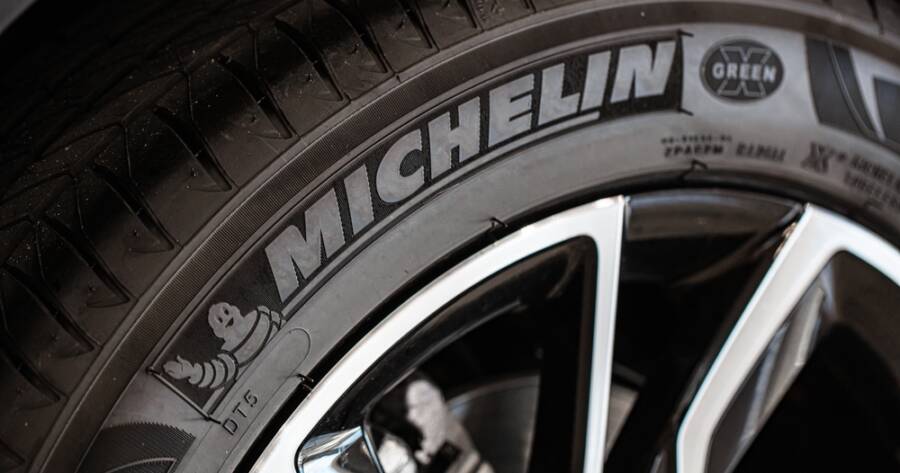
Premium tires from one of the world’s most respected manufacturers don’t always have to come with a premium price tag. Michelin clearance tires offer drivers in the United States a rare opportunity to get top-ranked performance at a fraction of what they’d normally pay.
Why Michelin Stands Apart From the Competition
When shoppers consider a tire purchase, brand reputation plays a significant role in the decision-making process. Michelin has earned recognition as the top-ranked tire brand in Consumer Reports’ 2024 annual rankings, receiving an overall score of 72 — a distinction built on consistent, rigorous, real-world testing across multiple tire categories (source). That kind of independent, third-party validation is not something a brand can manufacture; it is earned through sustained engineering excellence and proven product reliability.
What makes this recognition particularly meaningful is the breadth of performance it reflects. Michelin tires placed at or near the top across most tested tire categories in Consumer Reports’ evaluations, meaning the brand doesn’t excel in just one narrow segment — it delivers high performance whether drivers need all-season capability, high-performance handling, or dependable touring options (source). For shoppers hunting clearance deals, this breadth of quality means that even discounted inventory tends to represent genuinely premium-tier products.
What Clearance Pricing Actually Means for Buyers
The term “clearance” can carry different meanings depending on where it appears. In the context of Michelin’s own promotions and deals, clearance and promotional pricing events represent opportunities for consumers to purchase manufacturer-quality tires at costs well below standard retail levels (source). These are not second-quality or defective products — they are genuine Michelin tires being offered at reduced prices due to factors like model updates, seasonal inventory rotations, or promotional campaigns.
Shoppers who understand how clearance pricing works can position themselves to take full advantage. Because manufacturers periodically update tire lines or shift focus to newer models, previous versions often move to clearance status. That transition in product focus creates a window where buyers can access proven, high-quality tire models at significantly reduced costs — all without sacrificing the engineering and safety standards that make Michelin tires worth purchasing in the first place.
Rebates and Promotions Add Even More Value
Beyond standard clearance pricing, Michelin’s official promotions platform provides access to rebate programs and limited-time offers that further reduce the effective cost of a tire purchase (source). Rebate programs work by allowing consumers to purchase tires at the retail or promotional price and then receive a portion of that cost back through a structured redemption process. When combined with clearance pricing, the savings can be substantial.
The value in monitoring official manufacturer promotions comes from their authenticity. Because these deals originate directly from Michelin rather than from third-party resellers, there is no ambiguity about whether the advertised discounts are legitimate (source). Buyers can proceed with confidence knowing that the promotional pricing reflects a genuine commitment from the manufacturer to offer accessible pricing. For budget-conscious drivers who still prioritize performance, this combination of rebates and clearance inventory creates an ideal purchasing environment.
Getting the Most Out of a Michelin Purchase
Timing matters when shopping for clearance tires. Promotional windows are often seasonal or tied to inventory cycles, meaning the best deals don’t necessarily stay available indefinitely. Drivers who stay informed about current promotions and act during active discount periods are better positioned to secure the lowest possible prices on tires that would otherwise command premium retail rates.
It also helps to understand which tire category best fits a specific vehicle and driving profile. Michelin produces tires for a wide range of applications — from high-performance sports cars to family SUVs and light trucks. Clearance inventory shifts over time, but a driver who knows what they need can recognize the right opportunity when it appears. The combination of performance credibility, as established by Consumer Reports’ top ranking, and manufacturer-backed discount programs makes Michelin clearance tires one of the strongest value propositions available in the American tire market (source).
Drivers who prioritize safety, handling, and long-term durability no longer have to choose between quality and affordability. With clearance pricing and active rebate programs available directly through Michelin, premium performance becomes far more financially accessible than many shoppers might expect (source).
Why You Should Learn More About Michelin Clearance Tires Today
Michelin has secured its reputation as the best tire brand of 2024 through consistent, independently verified performance across multiple vehicle categories. For drivers in the United States, clearance pricing and rebate programs open a direct path to accessing that same top-ranked quality at reduced cost. Whether a vehicle needs new all-season rubber or performance-focused tires, the combination of manufacturer credibility and genuine discount opportunities makes exploring Michelin’s current promotions a worthwhile effort. Understanding what clearance pricing truly offers — and how rebate programs stack additional savings on top — equips buyers to make smarter, more informed decisions when their tires need replacing.