

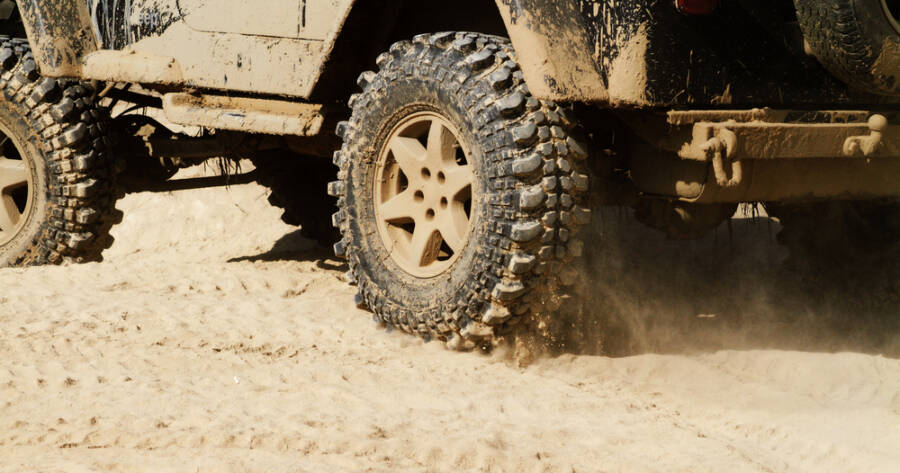
Mini jeeps offer a distinctive alternative to larger off-road vehicles, combining compact dimensions with recreational capability and a familiar driving layout. Gas and electric models can work well for trails, campgrounds, farms, and private property, depending on their specifications. Understanding their strengths, limitations, safety requirements, and intended use can help buyers decide whether one fits their needs.
What Makes Mini Jeeps Stand Out
At first glance, mini jeeps might seem like novelty vehicles, but their appeal runs much deeper than their compact size suggests. These machines combine off-road capability with everyday practicality, making them attractive to adventurers, property owners, and families alike. Equipped with engines typically ranging from 110cc to 200cc, mini jeeps are purpose-built to tackle rough terrain, mud, and dirt tracks without the steep price tag associated with full-sized off-road vehicles (source).
Unlike traditional ATVs, mini jeeps feature steering wheel controls and side-by-side seating, which creates a more familiar and comfortable driving experience for those who prefer a car-like feel on rugged ground (source). That combination of accessibility and performance is a major reason why so many buyers gravitate toward them as their first off-road vehicle.
Off-Road Performance Built for Real Terrain
Performance is one of the defining strengths of a well-chosen mini jeep. Four-wheel-drive systems are a common feature among off-road-focused models, distributing power to all four wheels simultaneously to improve grip and stability on challenging surfaces (source). This makes a significant difference when navigating muddy trails, loose gravel, or steep inclines.
Beyond the drivetrain, suspension articulation and approach angles also play important roles in real-world terrain handling. A mini jeep with strong articulation can adapt to uneven ground more effectively, while favorable approach and departure angles allow it to climb and descend steep hills without getting stuck or damaged (source). Buyers who prioritize trail performance should pay close attention to these specifications when evaluating different models.
Practical Uses Beyond Recreation
While the recreational draw is undeniable, mini jeeps also serve a broad range of practical functions. On farms and large rural properties, they could be used to transport tools, equipment, and materials across uneven fields and wooded areas (source). Their compact footprint allows them to navigate spaces where larger vehicles simply cannot fit, making them especially useful for property maintenance tasks.
Campgrounds, acreage properties, and rural estates have all seen growing adoption of mini jeeps, precisely because these vehicles balance maneuverability with real carrying capacity (source). Hunters also find them valuable for hauling gear through forests and across rough terrain where a traditional truck or SUV would struggle to pass.
Fuel Efficiency and Affordable Upkeep
One of the most compelling financial arguments for mini jeeps is their low operating cost. Their smaller, fuel-efficient engines deliver solid mileage while keeping running costs modest, which is particularly valuable during extended trips in remote areas where fuel availability may be limited (source). Striking the right balance between engine power and fuel economy is therefore an important consideration when selecting a model.
Routine upkeep is another area where mini jeeps shine. Basic maintenance tasks such as oil changes, tire inspections, and brake checks can often be performed by the owner at home without needing a professional mechanic (source). This keeps long-term ownership costs low and gives drivers greater independence over the condition of their vehicle. For those who enjoy tinkering, the availability of strong aftermarket support means adding features like off-road lighting, upgraded suspension, or roof racks is straightforward (source).
Family-Friendly and Easy to Operate
Mini jeeps hold broad appeal across generations, not just for seasoned off-road enthusiasts. Their straightforward operation makes them accessible to a wide range of ages when used with appropriate supervision and safety measures in place (source). For families looking to share outdoor experiences, mini jeeps offer a memorable and engaging activity that differs from conventional recreational options.
Electric models have also expanded the appeal of mini jeeps to those who prefer quieter, lower-maintenance options. Vehicles like the Venom 3000W Electric Mini Jeep deliver quiet operation alongside reduced maintenance demands, making them a suitable choice for recreational property transportation and casual outdoor riding (source). Whether the preference is gas or electric, the mini jeep market has evolved to meet a variety of driver needs.
Why You Should Learn More About Mini Jeeps Today
Mini jeeps occupy a compelling position in the recreational vehicle market, combining off-road capability, low operating costs, and practical utility in a compact package. Their compact size and easy operation make them accessible to a wide audience, from farmers and hunters to families seeking outdoor adventures.
Available in both gas and electric configurations, modern mini jeeps offer something meaningful for nearly every type of driver. The combination of unique styling, genuine terrain performance, and affordability has made them a popular choice across the United States, and their growing presence on farms, campgrounds, and trails reflects just how much value drivers are finding in these capable little vehicles (source).