

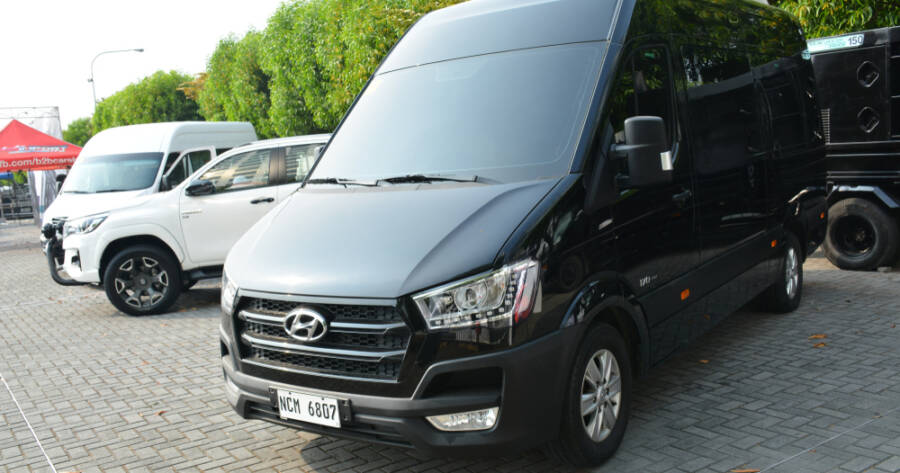
The Hyundai H350 has carved out a reputation as more than just another commercial van. With bold styling, serious cargo muscle, and a suite of driver-focused safety technology, it’s a vehicle that demands attention on both the road and the loading dock.
A Design That Stands Apart
First impressions matter in the commercial vehicle segment, and the H350 makes a strong one. The front fascia is anchored by a distinctive hexagonal grille integrated directly into the bumper, paired with stylish headlamps that incorporate LED daytime running lights sweeping around the front of the vehicle (source). The result is a van that looks assertive and polished rather than purely utilitarian.
The design language draws from Hyundai’s broader philosophy known as Fluidic Sculpture, a nature-inspired creative approach that the brand has applied across its passenger vehicle lineup and now extended into its commercial segment (source). That connection to an overarching design identity gives the H350 a cohesiveness that many commercial vans lack. Hyundai has been deliberate in making the vehicle “efficient and practical, while also appealing visually to customers,” signaling that the brand takes aesthetics seriously even when the primary purpose is work (source).
Cargo Capacity Built for Real-World Demands
Beneath the striking exterior lies a purpose-built hauler. The H350 is offered in multiple body configurations including a cargo van, a passenger bus variant, and a flatbed truck, all sharing the same flexible platform (source). This versatility makes it an appealing option for fleet operators managing diverse transportation needs.
The long-wheelbase cargo van configuration delivers up to 12.9 cubic meters of interior volume, with a room length of 3,665 mm that accommodates five standard European pallets at once (source). For operations that don’t require maximum length, the short-wheelbase model still provides up to 10.5 cubic meters and fits four Euro pallets with room to spare (source). These numbers reflect a van engineered around the practical realities of logistics and delivery work rather than theoretical maximums.
Towing performance rounds out the capability story. When equipped with the 170ps engine and the appropriate final gear ratio, the H350 achieves a gross combination weight rating of up to 7 tons, backed by a class-leading 3.5-ton towing figure (source). For operators who regularly haul trailers or heavy equipment, that rating represents genuine pulling power in a van-sized package.
Efficiency Gains That Add Up Over Time
Running costs are always a top concern for fleet managers, and the H350 addresses this directly through its EURO 6 powertrain. Compared to the previous EURO 5 generation, the updated engine achieves up to a 4.4% improvement in fuel efficiency, a gain made possible through a redesigned timing belt system and a reduction in internal friction throughout the drivetrain (source). While that percentage may sound modest in isolation, it compounds meaningfully across a high-mileage commercial fleet operating day after day.
Those incremental savings on fuel costs, multiplied across multiple vehicles and thousands of miles annually, translate into real financial benefits. For businesses that depend on tight margins, mechanical efficiency at this level isn’t a minor footnote — it’s a meaningful operational advantage that influences purchasing decisions at the fleet level.
Safety Features Designed for Professional Drivers
The H350 approaches driver safety with a level of technology that elevates it above basic commercial offerings. Standard features include front airbags for both the driver and front passenger, 4-wheel disc brakes across all four corners, and an Emergency Stop Signal system that alerts following traffic during hard braking events (source).
Beyond the foundational safety equipment, the van also incorporates a Lane Departure Warning System to help drivers stay on course during long hauls, as well as Roll Over Mitigation technology designed to reduce the risk of tipping during sharp maneuvers or emergency steering inputs (source). Together, these systems form a layered safety architecture that reflects growing expectations in the commercial vehicle market — where protecting drivers and cargo alike is no longer optional.
The emphasis on driver assistance technology also speaks to a broader shift in fleet procurement, where safety ratings and driver support features increasingly factor into purchasing decisions alongside payload ratings and fuel economy. The H350 positions itself as a competitive choice on all of these fronts simultaneously.
Why You Should Learn More About the Hyundai H350 Today
The Hyundai H350 brings together a visually distinctive presence, substantial cargo and towing capability, improved fuel efficiency, and a robust safety feature set — making it a well-rounded proposition for businesses that take their commercial vehicles seriously. Its nature-inspired design philosophy sets it apart from the purely functional aesthetic of traditional work vans, while its engineering credentials ensure it delivers where it counts most. Fleet operators exploring dependable, multi-purpose commercial vehicles will find the H350 worth a close look. The combination of design ambition and practical performance continues to attract serious attention from buyers who refuse to compromise between form and function.