
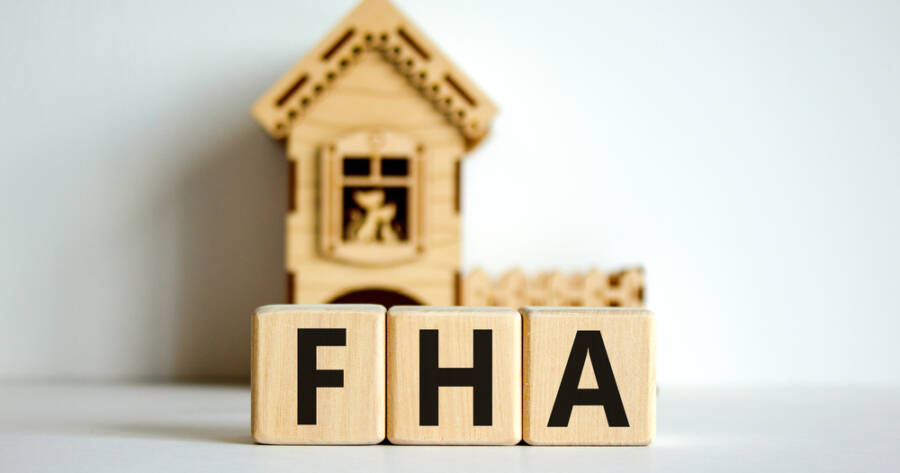
The FHA Down Payment Program offers a unique pathway to homeownership by drastically reducing the initial costs for purchasing HUD-owned properties. The initiative not only makes buying a home more accessible but also supports community revitalization by facilitating the sale of foreclosed homes. Understand the eligibility criteria, benefits, and financing options that make the FHA program a compelling choice for prospective homeowners.
Understanding the FHA $100 Down Program
The FHA $100 Down Program is a unique initiative designed to make homeownership more accessible by significantly reducing the upfront costs associated with purchasing a home. (source) This program allows eligible buyers to purchase HUD homes, which are properties owned by the U.S. Department of Housing and Urban Development through foreclosure, with a down payment of just $100.
This is a stark contrast to the standard FHA loan requirement of a 3.5% down payment (source). The program is specifically aimed at facilitating the quick sale of these foreclosed homes to owner-occupants, thereby enhancing neighborhood quality and reducing the negative impact of vacant properties.
Eligibility Criteria and Benefits
To qualify for the FHA $100 Down Program, buyers must meet several eligibility criteria. They must use the home as their primary residence, have a minimum credit score of 580, and not have purchased another HUD home in the preceding 24 months. Additionally, they must submit a full price offer and meet FHA’s income, asset, and property standard requirements (source). The program is not available for investors, vacation homes, or vacant land, and is exclusively for HUD-owned properties (source).
One of the significant benefits of this program is the flexibility it offers in terms of credit qualifying under FHA guidelines. It also provides low fixed interest rates and eligibility for up to $5,000 in escrowed repairs. Moreover, HUD may cover closing costs during contract negotiations, further reducing the financial burden on buyers (source).
Financing Repairs and Renovations
The FHA $100 Down Program can be combined with the FHA 203(k) loan or the FHA 203(b) Repair Escrow to finance necessary repairs or renovations. This is particularly beneficial for foreclosed properties that may not meet FHA’s health and safety standards. By allowing repairs to be financed directly into the mortgage, the program ensures that buyers can address any necessary improvements without additional financial strain (source).
Additional Considerations
While the FHA $100 Down Program offers numerous advantages, there are some additional considerations for potential buyers. The availability of HUD homes can vary by location, so it may be necessary to frequently check listings or work with specialized real estate agents to find eligible properties (source).
Additionally, despite the low down payment, buyers must provide an earnest money deposit of $1,000 for properties over $50,000 or $500 for those under $50,000 when their purchase contract is accepted (source).
Why You Should Learn More About FHA Loans Today
The FHA $100 Down Program represents a valuable opportunity for individuals looking to enter the housing market with minimal upfront costs. By understanding the eligibility criteria, benefits, and additional considerations, potential buyers can make informed decisions about their home purchase.
This program not only facilitates homeownership but also contributes to community revitalization by reducing the number of vacant properties. For those interested in purchasing a HUD home, exploring the FHA $100 Down Program could be a crucial step towards achieving homeownership and financial stability.