

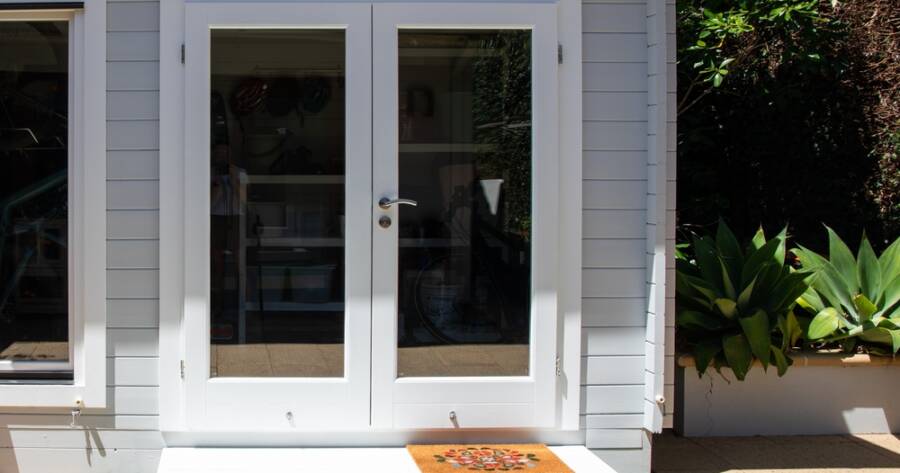
Granny pods, also known as Accessory Dwelling Units, offer a modern solution for families who want to provide aging parents with a safe, independent living space close to home. Compact layouts balance privacy with family support while introducing legal, financial, and practical considerations. Understanding key benefits and potential challenges can support informed decisions about multigenerational living.
What are Granny Pods?
Granny pods, also known as Accessory Dwelling Units (ADUs), are becoming an increasingly popular solution for families looking to provide a safe and independent living space for aging parents. These compact, self-contained homes are typically set up in the backyard, allowing seniors to live close to family while maintaining privacy and independence.
They usually include essential features such as a bedroom, kitchenette, and bathroom, with optional safety enhancements like nonslip flooring and medical alert systems. These units require connection to utilities like water and electricity and are legal in most states, although local zoning and building regulations must be checked for specific requirements and permits.
Benefits and Drawbacks of Granny Pods
Granny pods offer numerous benefits, including increased companionship, access to family support, enhanced safety, privacy, and potential property value increase. They facilitate multi-generational interaction, allowing elderly parents to age near their loved ones, which can be emotionally and financially beneficial.
However, there are potential drawbacks to consider, such as high upfront costs, zoning and permit challenges, limited living space, ongoing maintenance expenses, and suitability concerns for seniors with complex medical needs. The cost of installing a granny pod ranges from $20,000 to $100,000 or more, depending on size, features, and location, with financing options available through savings, loans, or specialized programs.
Legal and Financial Considerations
The legality of granny pods depends on local zoning laws. Many states and cities allow them as ADUs, but permits and zoning restrictions can vary, especially when used for elder care. It’s crucial to check with local municipalities before proceeding with construction.
Additionally, granny pods can provide financial security by reducing long-term elder care costs, making them a more affordable option compared to traditional retirement homes. They also offer independence for aging parents while keeping them close to family, providing opportunities for mutual assistance, such as child care and elder care. However, families must consider potential challenges, such as large upfront costs, space limitations, maintenance responsibilities, and potential ADA compliance issues.
Alternatives to Granny Pods
For families facing zoning or budget constraints, alternatives to granny pods include modifying existing spaces like basements, garages, or spare rooms into guest suites with small kitchenettes. This option can increase the home’s resale value and costs between $25,000 and $75,000.
Other alternatives include traditional tiny homes, moving in together, home care services, and assisted living communities, each with its own set of benefits and considerations. It’s important to weigh all options and consult with financial and legal professionals to ensure the best decision for both the aging parents and the family.
Why You Should Learn More About Backyard Living Solutions for Aging Parents Today
Exploring backyard living solutions like granny pods can offer a harmonious blend of independence and family support for aging parents. As families navigate the complexities of elder care, understanding the benefits and challenges of granny pods can lead to informed decisions that enhance the quality of life for seniors.
With the potential to increase property value and provide a safe, comfortable living environment, granny pods represent a modern approach to multigenerational living. By considering legal, financial, and personal factors, families can create a supportive and nurturing environment for their loved ones.