

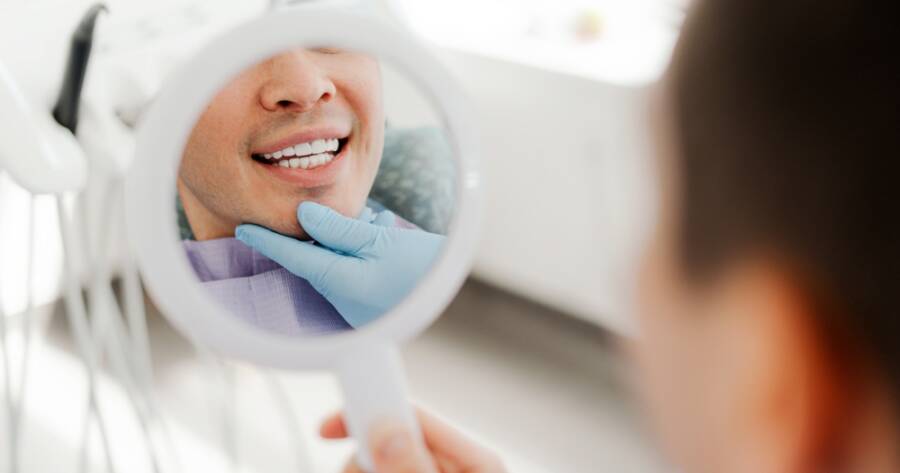
Losing all or most natural teeth no longer means relying solely on traditional removable dentures. Advances in restorative dentistry have created several ways to rebuild a smile with greater stability, comfort, and confidence. From solutions anchored by dental implants to options designed around remaining healthy teeth, modern treatment can be tailored much more closely to individual needs and preferences.
Understanding What Traditional Full Dentures Involve
A conventional full removable denture is created and placed in the mouth only after all remaining teeth have been extracted and the gum tissue has fully healed, a process that can take several months (source). During that waiting period, patients may go without any teeth at all, which can affect eating, speaking, and overall confidence.
Once in place, traditional dentures rest directly on the gums and rely on suction or adhesive products to stay seated. Over time, many wearers find that their appliances shift, wobble, or slip while speaking or chewing, which can make everyday activities feel unpredictable (source). The average lifespan of a traditional denture sits at roughly seven to ten years, after which the fit and function typically decline enough to require replacement (source).
Beyond the mechanical limitations, losing all natural teeth also triggers changes in facial structure. Without tooth roots providing stimulation, the jawbone gradually loses density, and facial muscles can sag over time, producing an aged appearance that even well-fitted dentures cannot fully prevent (source).
The Rise of Implant-Retained Dentures
One of the most significant developments in restorative dentistry is the implant-retained denture. Rather than relying on adhesive or suction alone, these prosthetics attach directly to small threaded posts that a surgeon places into the jawbone. The denture essentially snaps onto the implants, delivering considerably more stability than a conventional plate can provide and eliminating the need for denture adhesive products (source).
Patients who choose implant-retained dentures still remove the appliance for cleaning, which some find convenient. However, the added anchorage dramatically reduces the movement that traditional denture wearers often experience during meals and conversation. For individuals who have struggled with loose-fitting plates for years, this option can represent a meaningful improvement in daily quality of life.
The implant posts themselves also provide a degree of stimulation to the surrounding bone tissue, which helps slow the jawbone deterioration that accompanies total tooth loss. This is a physiological benefit that a standard removable plate simply cannot replicate.
Implant-Supported Dentures: A Permanent Approach
For those who prefer not to deal with a removable appliance at all, implant-supported dentures present a compelling option. These are sometimes called permanent dentures or hybrid dentures, and the key distinction is that only a dental professional can remove them. They function much like natural teeth in terms of everyday use, staying fixed in the mouth during eating, speaking, and sleeping (source).
Because the prosthetic is anchored firmly to implants embedded in the jaw, there is no risk of slippage or the discomfort that comes from a plate shifting against soft tissue. Many patients report that implant-supported options feel far more natural than any removable alternative, and the psychological benefit of not worrying about an appliance moving at an inconvenient moment is considerable.
The adjustment period that typically accompanies traditional dentures is also reduced. New conventional dentures can feel awkward for weeks as the cheek and tongue muscles learn to stabilize the appliance (source). Fixed implant-supported prosthetics do not require that same muscular adaptation, making the transition to a full smile more immediate for many patients.
Dental Implants and Bridges as Standalone Alternatives
Beyond denture variants, two other restorative paths exist for patients seeking alternatives to traditional plates. Individual dental implants replace missing teeth one at a time, each consisting of a titanium post topped with a custom crown. Unlike any form of denture, individual implants actively stimulate the nerves within the jaw, halting bone loss at the site of each missing tooth. With proper care and maintenance, they are capable of lasting a lifetime (source).
Dental bridges offer another approach, anchoring a prosthetic tooth or series of teeth to adjacent natural teeth or implants. While bridges do not provide the same direct bone stimulation as individual implants, they restore chewing function and appearance without requiring any removable hardware. For patients who still retain some healthy teeth, a bridge can be a practical middle-ground solution.
The overdenture represents yet another transitional option. It fits over a small number of prepared natural teeth or implants, using those anchor points for stability rather than resting entirely on the gum line (source). This approach preserves what natural tooth structure remains while providing improved retention compared to a fully free-floating plate.
Choosing the Right Option for Long-Term Oral Health
Every patient’s anatomy, bone density, health history, and personal preferences will shape which restorative path makes the most sense. Traditional full dentures remain a viable and accessible option for many people, but modern alternatives have expanded the possibilities considerably. Implant-based solutions in particular address the root cause of jawbone deterioration rather than simply masking the cosmetic effects of tooth loss.
Consulting with a dental professional is the appropriate starting point for anyone evaluating these options. A thorough examination, including assessment of existing bone volume, will determine candidacy for implant procedures and help clarify which combination of stability, permanence, and maintenance fits a patient’s lifestyle.
Why You Should Learn More About Full Denture Alternatives Today
The landscape of restorative dentistry has moved well beyond the removable plates many people associate with tooth loss. Implant-retained and implant-supported dentures, individual dental implants, bridges, and overdentures each offer distinct advantages depending on a patient’s unique circumstances.
Understanding these distinctions empowers patients to ask better questions and set more informed expectations before committing to a treatment path. Traditional dentures served generations of patients well, but today’s options deliver improved stability, more natural function, and in many cases, longer-lasting results. Anyone facing complete or near-complete tooth loss deserves to know the full range of solutions available in modern dentistry before making a decision.