

For people who depend on a power chair for everyday mobility, Medicare coverage can help reduce the financial burden of obtaining medically necessary equipment. Eligibility depends on meeting specific requirements, working with enrolled providers and suppliers, and completing the required documentation. Understanding coverage rules, prior authorization, and out-of-pocket costs can make the process easier to navigate.
What Is a Power Chair and Who Needs One
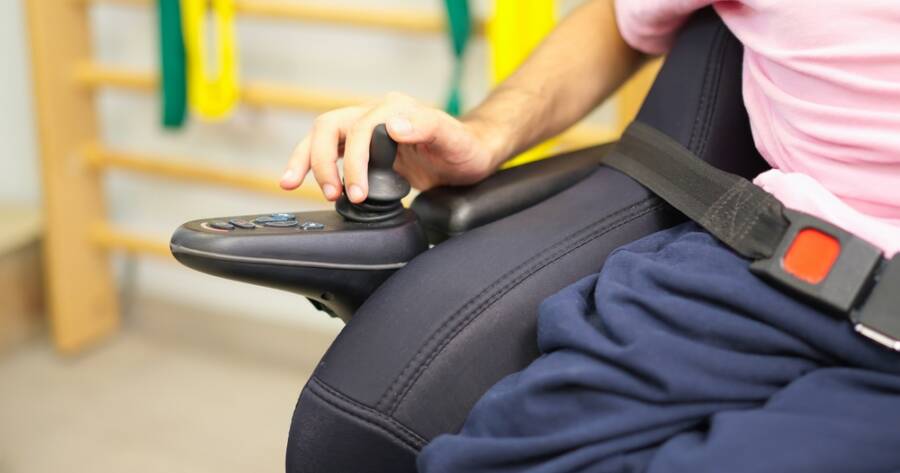
A power chair, also called a power wheelchair, is a motorized mobility device designed for individuals who cannot adequately propel a manual wheelchair or use a scooter due to their medical condition. Unlike manual chairs that rely on the user’s arm strength, power chairs are controlled electronically, typically through a joystick or other adaptive input (source). They are used by people with conditions such as multiple sclerosis, muscular dystrophy, spinal cord injuries, and other serious physical limitations that affect mobility and independence.
Power chairs come in a range of configurations depending on a person’s needs, from standard indoor models to more robust versions designed for varied terrain. Because these devices represent a significant investment, many Medicare beneficiaries look to their health coverage to help offset the cost. Understanding how Medicare approaches this category of durable medical equipment is the first step toward accessing that support.
How Medicare Covers Power Chairs
Medicare Part B, which covers outpatient medical services and durable medical equipment, includes power wheelchairs and scooters among the items it will help pay for under qualifying circumstances (source). However, coverage is not automatic. Medicare extends benefits for power chairs only when a licensed healthcare provider determines that the device is medically necessary for the patient’s condition (source).
The coverage process begins with a face-to-face examination conducted by the patient’s treating provider, followed by a written prescription documenting the medical need (source). This prescription is a critical document that supports the case for coverage and must reflect the provider’s clinical findings. Without this step, Medicare will not proceed with covering the device.
Power chairs fall under the broader category of Durable Medical Equipment, or DME, which Medicare Part B is designed to cover when specific criteria are satisfied (source). DME suppliers play an active role in the process as well, and beneficiaries typically work closely with an approved supplier who coordinates with Medicare on their behalf.
Understanding Prior Authorization
One aspect of Medicare’s power chair coverage that patients should be aware of is the prior authorization requirement. For certain types of power wheelchairs, Medicare may require approval before it will commit to covering the cost (source). This means that before the patient receives the chair, the supplier must submit documentation to Medicare to confirm the patient meets all eligibility requirements.
The DME supplier carries the responsibility of submitting the prior authorization request along with all required supporting documentation (source). Medicare then reviews that submission to verify that the patient is eligible and that the clinical requirements for a power wheelchair have been met (source). A prior authorization request can be denied if Medicare determines the patient does not medically require the device or if the submitted information is insufficient to support a coverage decision (source).
This makes it especially important for both patients and their healthcare providers to ensure all clinical documentation is thorough, accurate, and clearly supports the necessity of a power chair. Incomplete records are one of the most common reasons requests are delayed or rejected.
What Patients Pay Out of Pocket
Even when Medicare approves coverage for a power chair, the beneficiary is still responsible for a share of the costs. After meeting the annual Part B deductible, the patient typically pays 20 percent of the Medicare-approved amount for the device, provided the supplier accepts Medicare assignment (source). Suppliers that accept assignment agree to charge no more than Medicare’s approved rate, which provides cost predictability for the patient.
If a supplier does not accept assignment, the patient may face higher out-of-pocket expenses. For this reason, confirming a supplier’s assignment status before proceeding is a practical step that can affect the total amount paid. Medicare supplement plans, sometimes called Medigap policies, may cover some or all of the 20 percent coinsurance, depending on the specific plan a beneficiary holds.
Steps to Take Before Pursuing Coverage
For anyone considering a power chair through Medicare, a clear series of steps can help streamline the process. The first involves speaking with a treating physician or specialist who can evaluate the medical necessity of the device and conduct the required face-to-face examination. If the provider agrees a power chair is clinically appropriate, they will issue a written prescription that specifies the type of device and the reasons it is needed.
From there, the patient should work with a Medicare-enrolled DME supplier who is familiar with the prior authorization process. The supplier will handle the submission of documentation to Medicare and communicate any additional information requests that arise during the review. Staying in close communication with both the healthcare provider and the supplier throughout this process is an effective way to avoid unnecessary delays.
Patients should also verify their current Medicare coverage details, including whether they have met their Part B deductible for the year and whether any supplemental insurance they carry will apply to the remaining cost. Keeping organized records of all prescriptions, clinical notes, and correspondence with Medicare can prove valuable if any questions about eligibility or coverage arise later.
Why You Should Learn More About Power Chair Coverage Today
Power chairs can restore independence and significantly improve the quality of daily life for individuals with serious mobility limitations. Medicare Part B offers a structured path to coverage for these devices, but the process involves specific requirements around medical necessity, documentation, and prior authorization. Knowing that a face-to-face provider examination, a written prescription, and supplier coordination are all part of the journey helps patients prepare rather than react.
Understanding cost-sharing rules, including the 20 percent coinsurance after the Part B deductible, allows beneficiaries to plan ahead. Taking the time to fully understand how Medicare approaches power chair coverage can make the entire process more manageable and reduce the likelihood of unexpected denials or expenses.