

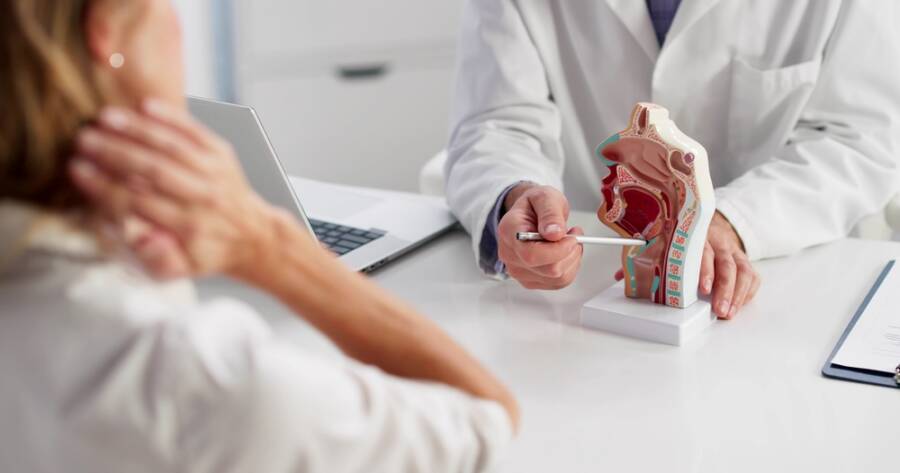
Hypoparathyroidism can be easy to miss because its symptoms often begin with changes that seem unrelated or easy to dismiss. The condition affects how the body regulates calcium, which means its effects can show up in several different ways. Knowing what to watch for can help make an unusual pattern of symptoms easier to recognize and discuss with a healthcare provider.
What Is Hypoparathyroidism?
The parathyroid glands are four small, pea-sized structures located in the neck, and despite their modest size, they carry significant responsibility (source). Their primary job is to produce parathyroid hormone (PTH), a chemical messenger that keeps calcium and phosphorus levels in proper balance throughout the body. When those glands fail to produce enough PTH, the resulting condition is called hypoparathyroidism.
Hypoparathyroidism is classified as a rare disorder in which PTH output drops to abnormally low levels (source). Without sufficient PTH circulating in the bloodstream, calcium levels fall below the threshold the body needs to operate normally. This sets off a chain of disruptions that can affect the muscles, nerves, heart, and more.
The Role of Parathyroid Hormone in the Body
PTH acts as a regulator, constantly monitoring blood calcium and stepping in when levels start to drop. It draws calcium back into the bloodstream by pulling it from bones, signaling the kidneys to retain it, and prompting the intestines to absorb more of it from food (source). When PTH is insufficient, this correction mechanism stops working effectively.
Calcium’s importance extends far beyond bone health. It enables muscles to contract properly, supports nerve signaling and brain function, and plays a direct role in maintaining a stable heart rhythm and healthy blood pressure (source). A shortfall in PTH therefore touches nearly every major system in the body, which is why the symptoms of hypoparathyroidism can appear so varied and wide-ranging.
Recognizing the Early Symptoms
Among the earliest and most recognizable signs of hypoparathyroidism are tingling sensations in the lips, fingers, and toes, along with muscle cramps (source). These sensations occur because low calcium levels interfere with normal nerve transmission. Many people who experience these symptoms initially attribute them to fatigue, dehydration, or poor circulation, which can delay recognition of the underlying problem.
The tingling and cramping can progress in intensity over time. As calcium levels continue to fall without intervention, the nervous system becomes increasingly reactive, making everyday activities uncomfortable or even painful. These early warning signals are the body’s attempt to communicate that something in its chemical balance has gone wrong.
More Serious Signs and Complications
When hypoparathyroidism is left unmanaged, the symptoms can escalate significantly. Severe muscle spasms, known as tetany, may develop and can affect the larynx, the structure responsible for breathing (source). Tetany involving the airway can cause breathing difficulties, which represents one of the more urgent complications associated with this condition.
The condition can also affect the heart. Irregular heart rhythms are a recognized symptom, reflecting how deeply calcium deficiency can alter cardiac function (source). Since calcium plays a direct role in regulating both heart rhythm and blood pressure, a sustained deficiency puts meaningful stress on the cardiovascular system.
Seizures are another possible sign, as are cataracts, which develop when chronically low calcium levels cause changes in the lens of the eye (source). Skin changes such as dryness and scaling, brittle nails, and painful menstruation have also been documented in people living with this condition. This broad collection of symptoms underscores how interconnected calcium regulation is with overall physical health.
What Causes Hypoparathyroidism?
Injury to the parathyroid glands during surgery on the thyroid or surrounding neck structures stands out as the most frequently identified cause of hypoparathyroidism (source). Because the parathyroid glands sit in close proximity to the thyroid, surgical procedures in that region carry a risk of unintentional damage. Even when such damage is not immediately obvious, the impact on PTH production can become apparent in the days or weeks that follow an operation.
Beyond surgical causes, hypoparathyroidism can arise from autoimmune activity, in which the body’s own immune system mistakenly targets the parathyroid glands. Certain genetic conditions can also impair the glands’ development or function from an early age. In some cases, low magnesium levels can suppress PTH secretion, creating a secondary form of the condition that resolves once magnesium is restored.
Why Symptoms Are Often Overlooked
Because hypoparathyroidism is rare, its symptoms are not always the first thing that comes to mind for someone experiencing tingling, cramping, or fatigue. These sensations overlap with many more common conditions, which makes the path to an accurate diagnosis longer for some patients. A thorough blood test measuring calcium, phosphorus, and PTH levels is typically needed to confirm the diagnosis.
Awareness plays a significant role in reducing that diagnostic delay. When individuals and their healthcare providers recognize the combination of low calcium symptoms alongside potential risk factors, such as a recent neck surgery or a family history of parathyroid problems, the investigation can move more efficiently toward the correct answer.
Why You Should Learn More About Hypoparathyroidism Today
Hypoparathyroidism affects multiple body systems at once, making symptom recognition a critical first step toward proper care. From early tingling in the extremities to more serious complications like abnormal heart rhythms and breathing difficulties, the signs of this condition span a wide range. The underlying cause almost always traces back to insufficient PTH production, which disrupts calcium’s vital role across the muscles, nerves, heart, and bones.
Staying informed about how this hormonal imbalance presents itself, and what factors raise a person’s risk, empowers both patients and caregivers to seek timely medical evaluation. Connecting with an endocrinologist or a healthcare provider familiar with rare hormonal conditions can be a valuable step for anyone experiencing unexplained symptoms that align with those described here.