

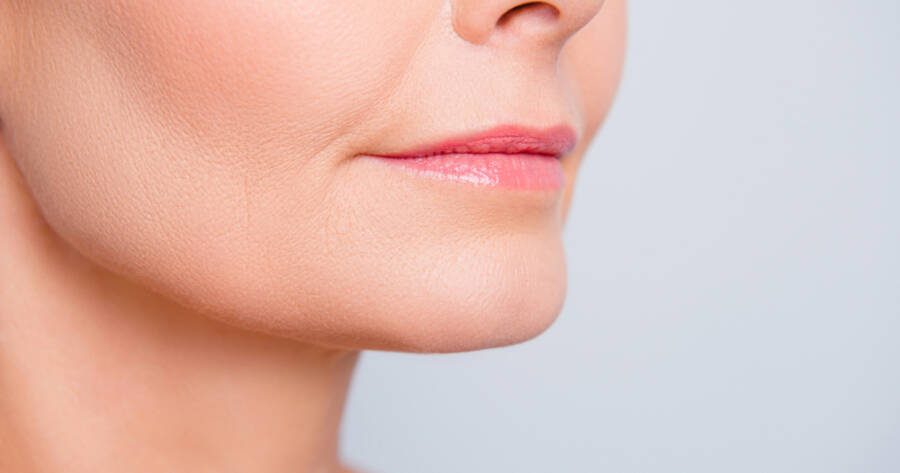
Mouth wrinkles are a common concern that develops gradually over time, but understanding what drives them — and which treatments actually work — can make a meaningful difference in how skin ages around the lips and lower face.
What Are Mouth Wrinkles and Why Do They Form?
Mouth wrinkles, often referred to as perioral wrinkles or lip lines, are the fine lines and deeper creases that form around the lips and the surrounding skin. They tend to appear vertically above the upper lip, sometimes extending toward the nose, and can also develop at the corners of the mouth. These wrinkles are sometimes called smoker’s lines or lipstick lines, though they affect people regardless of whether they have ever smoked (source).
The primary driver behind mouth wrinkle formation is the gradual breakdown of two structural proteins: collagen and elastin. These proteins are responsible for keeping skin firm, smooth, and resilient. As the body ages, collagen production declines steadily, and losses of elastin along with moisture-retaining compounds called glycosaminoglycans also reduce the skin’s overall elasticity and hydration capacity (source). The result is skin that no longer springs back as easily from repeated movement, making creases around the mouth more pronounced over time.
Beyond natural aging, several external factors speed up this process. Sun exposure degrades collagen fibers over time, while smoking introduces oxidative stress that accelerates skin breakdown. Dehydration, poor nutrition, chronic stress, and even genetics all contribute to how early and how deeply mouth wrinkles develop in an individual (source). Repetitive facial movements — such as pursing the lips, drinking through straws, or even frequent smiling — also etch lines into the skin over years of use (source).
Professional Treatments That Target Mouth Wrinkles
For those seeking more dramatic or faster-acting results, a range of professional cosmetic procedures targets mouth wrinkles directly. Each approach works differently depending on the depth of the wrinkles and the desired outcome.
Botox injections are among the most widely used options. By temporarily relaxing the small muscles around the mouth, Botox softens the appearance of lines caused by repetitive movement. Results from this treatment typically last up to six months before a repeat session is needed (source).
Dermal fillers, including lip fillers, work by restoring lost volume to areas around the mouth, smoothing out creases and improving overall lip contour. These fillers can remain effective for up to 12 months, and for longer-lasting alternatives, fat transfer injections and lip implants offer more permanent solutions, though neither fully eliminates every line (source).
Skin resurfacing treatments such as laser therapy, chemical peels, dermabrasion, and microdermabrasion remove damaged outer skin layers and stimulate renewed collagen production. Microneedling, sometimes combined with radiofrequency energy, creates controlled micro-injuries that prompt the skin to regenerate more effectively. Platelet-rich plasma therapy, which uses growth factors derived from a person’s own blood, is another option that enhances skin renewal at a cellular level (source). For severe cases, facelift surgery remains one of the most comprehensive interventions available.
Daily Habits and At-Home Strategies
While professional treatments address existing wrinkles, daily lifestyle choices play a substantial role in both prevention and maintenance. Quitting or avoiding smoking is one of the most impactful steps a person can take to preserve skin health around the mouth. Staying consistently hydrated keeps skin plump and more resistant to creasing, while sunscreen worn daily shields collagen from ultraviolet damage (source).
Regular exfoliation — ideally performed at least twice per week — removes dead skin cells and encourages smoother skin turnover. Getting adequate sleep, at least seven hours per night, also allows the body to repair skin tissue during its natural overnight regeneration cycle (source). Adjusting small habits, such as avoiding drinking through straws, reduces the repetitive muscle contractions that contribute to lip lines over time (source).
A consistent skincare routine that includes hydrating serums and targeted anti-aging products can complement both professional treatments and lifestyle changes. Ingredients that support collagen production or improve moisture retention can help slow the progression of perioral wrinkles over the long term.
Why You Should Learn More About Reducing Mouth Wrinkles Today
Mouth wrinkles develop through a combination of natural aging, environmental exposure, and daily habits — meaning multiple pathways exist for both prevention and treatment. Professional options range from injectables and fillers to resurfacing procedures, offering solutions for varying degrees of concern. At the same time, consistent at-home habits such as sun protection, hydration, and avoiding repetitive lip movements build a meaningful defense against further deepening. Whether the goal is early prevention or addressing existing lines, combining informed daily choices with professional guidance gives individuals the best foundation for healthier, smoother-looking skin around the mouth for years to come.