

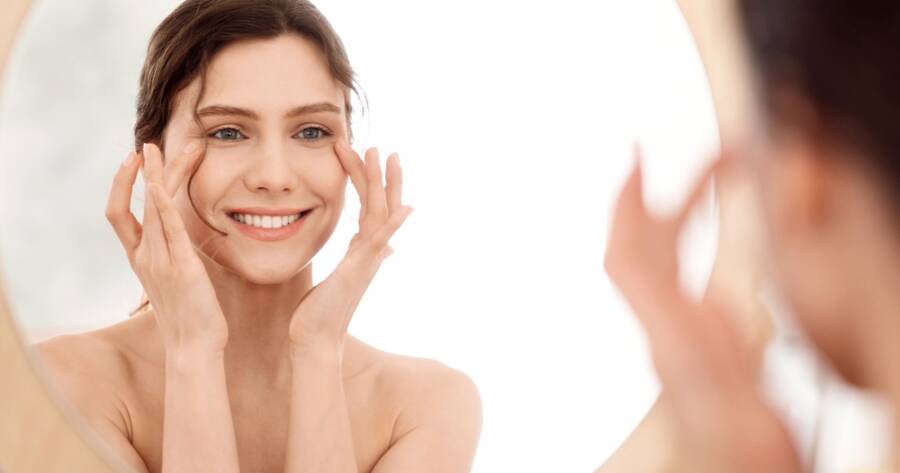
Eye bags are a common concern that many people want to address, and choosing the right eye cream can make a real difference. Understanding which ingredients deliver results — and why formulation matters — helps narrow down the most effective options for supporting the under-eye area.
Why Eye Creams Are Formulated Differently
The skin surrounding the eyes is notably thinner and more delicate than the skin on the rest of the face. Because of this, standard facial moisturizers are often too heavy for the under-eye area and may actually contribute to irritation or worsen puffiness rather than relieve it (source). Eye creams are specifically designed with lighter, more targeted formulations that address concerns like fluid retention, discoloration, and loss of firmness without overwhelming sensitive periocular skin.
This specialized approach means that eye creams typically contain concentrated active ingredients chosen for their ability to support the under-eye area in particular. Ingredients are selected to work on multiple concerns at once, including dryness, skin elasticity, hyperpigmentation, inflammation, and collagen production (source). Knowing what those ingredients are — and what they actually do — makes it easier to choose a product suited to specific concerns.
Key Ingredients Found in the Best Creams for Eye Bags
Caffeine is one of the most widely researched ingredients for addressing under-eye puffiness. It works by temporarily constricting blood vessels and reducing the appearance of swelling, making the under-eye area look less puffy (source). Products containing caffeine are particularly popular for morning use, when overnight fluid retention can make eye bags appear more prominent.
Niacinamide is another standout ingredient frequently found in high-performing eye creams. Cosmetic chemist Kelly Dobos has described it as “a real multitasker with brightening, antioxidant, and humectant properties” (source). Scientific reviews have also found that niacinamide can help reduce periocular hyperpigmentation, making it valuable for addressing dark circles alongside puffiness (source).
Peptides play a structural role in supporting skin around the eyes. These specialized proteins serve as building blocks for collagen and elastin, both of which contribute to firmness and fullness in the under-eye area (source). Certain peptides, such as acetyl tetrapeptide-5, are specifically associated with reducing puffiness by targeting fluid buildup beneath the skin’s surface (source).
Antioxidants like vitamin E also support under-eye skin health by helping to reduce hyperpigmentation and improve the overall appearance of the periocular region (source). Antioxidants more broadly help improve circulation in the area, which in turn can diminish the appearance of dark circles (source). Ceramides and glycerin round out many effective formulations by reinforcing the skin barrier and maintaining moisture levels.
Products That Have Shown Promising Results
Independent testing and dermatologist input have helped identify several eye creams that consistently perform well for under-eye concerns. CeraVe Skin Renewing Eye Cream, for example, earned recognition as a top all-around performer, with testers reporting noticeable brightening, depuffing, and smoothing effects. Its formula combines niacinamide, glycerin, ceramides, peptides, and caffeine into a single product (source).
For those primarily dealing with puffiness, the Innbeauty Project Extreme Cream Eye has drawn attention for its use of acetyl tetrapeptide-5. Testers reported reduced puffiness and softer lines after consistent use over four weeks (source). Meanwhile, Alastin Restorative Eye Complex stood out for addressing dark circles, with a majority of concerned testers noting visible improvement after 30 days of use, thanks in part to its silica, niacinamide, and peptide combination (source).
How Consistency Affects Results
Regardless of which product someone chooses, consistent application is a critical factor in seeing results. A steady eye cream routine can begin delivering improvements within a few weeks, and maintaining that routine over time is more effective for preserving the desired appearance of the under-eye area than sporadic use (source). Scientific reviews similarly emphasize that using products with evidence-backed ingredients correctly and consistently is what leads to meaningful improvements (source).
Applying eye cream to clean skin and using an appropriate amount — typically a small, pea-sized portion — helps the product absorb properly without overloading the sensitive under-eye area. Many dermatologists suggest applying eye cream both morning and evening for optimal support, particularly when puffiness and dark circles are primary concerns.
Why You Should Learn More About the Best Creams for Eye Bags
The under-eye area responds well to targeted care when the right ingredients are applied consistently. Caffeine, niacinamide, peptides, and antioxidants each bring distinct benefits that work together to address puffiness, discoloration, and diminished firmness. Products formulated specifically for the delicate periocular region outperform general moisturizers for these concerns because they deliver active compounds at appropriate concentrations without causing irritation. Anyone looking to support the appearance of their under-eye area will benefit from understanding both the science behind effective ingredients and how different formulations are designed to target specific issues. Exploring dermatologist-reviewed resources and peer-reviewed ingredient research is one of the best ways to make informed choices about eye care.