

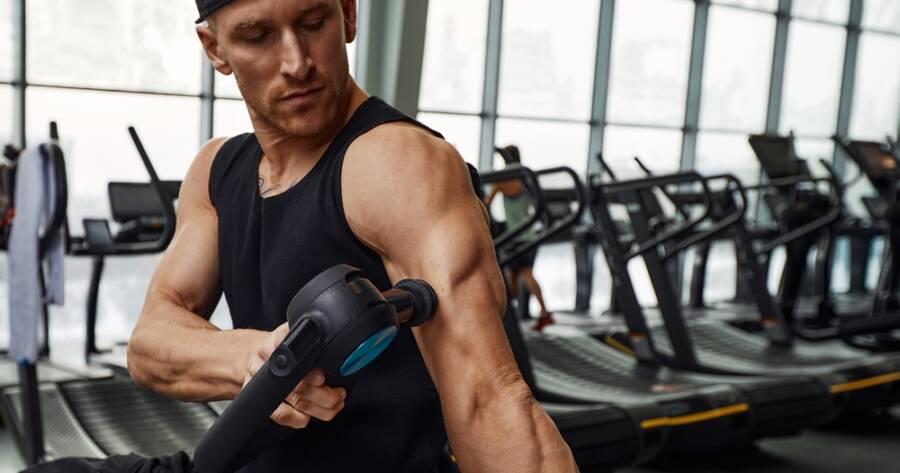
Vibration gadgets have become a popular addition to workout and recovery routines, especially for people dealing with soreness, tight muscles, or post-exercise fatigue. From compact handheld tools to larger recovery devices, each option works a little differently. Understanding what they are designed to do can make it easier to decide which type fits your routine.
Why Vibration Therapy Has Gained Traction Among Active Men
The science behind vibration therapy is more compelling than many people realize. Clinical evidence says that vibration devices represent a safe and effective modality for managing musculoskeletal pain, working without the need for medication or professional intervention (source). For men who train regularly, recover from physical labor, or simply deal with chronic muscle tightness, these tools offer a practical at-home solution.
What makes vibration therapy particularly appealing is that both the frequency and amplitude of vibration play key roles in determining how effective a session will be (source). This means the engineering behind each device matters significantly, and understanding how different gadgets work helps consumers make smarter choices. The five categories below represent some of the most talked-about options currently trending in men’s wellness and athletic recovery circles.
1. Percussive Massage Guns
Arguably the most recognizable vibration gadget on the market today, percussive massage guns have earned their reputation through consistent results (source). These devices deliver rapid bursts of pressure directly into muscle tissue, which stimulates blood flow and helps reduce localized tension (source). Research has found that percussive vibration therapy can improve short-term range of motion and flexibility, making these guns a go-to choice for pre-workout warm-ups and post-exercise cool-downs (source).
Modern massage guns are available in full-size and compact versions, with varying attachment heads designed to target specific muscle groups. Larger heads suit broad areas like the back and quadriceps, while pointed or bullet-shaped attachments work well on deeper tissue and smaller muscle groups. Battery life, motor power, and noise level are typically the key differentiating features across models.
2. Vibrating Foam Rollers
Traditional foam rolling already has a well-established place in recovery routines, but adding vibration technology elevates the experience considerably. Vibrating foam rollers combine the mechanical pressure of standard rolling with targeted vibration, which helps address myofascial pain more effectively than static pressure alone (source). Men who experience delayed onset muscle soreness after intense training sessions often find these rollers particularly beneficial.
Most vibrating foam rollers offer multiple speed settings, allowing users to adjust the intensity based on how sensitive their muscles feel at any given time. The cylindrical design makes them especially effective for large muscle groups such as the hamstrings, calves, and thoracic spine region (source).
3. Vibrating Massage Balls
For pinpoint precision in muscle relief, vibrating massage balls deliver targeted stimulation to hard-to-reach trigger points. These compact devices work well for foot arch tension, glute tightness, and areas along the thoracic and lumbar spine where larger tools struggle to reach effectively (source). Research supports the idea that vibration therapy effectively reduces myofascial pain when applied consistently to affected areas (source).
Vibrating massage balls are among the most portable gadgets in this category, easily fitting into a gym bag or carry-on luggage. Their size belies their effectiveness, particularly when used against a wall or floor for added pressure control.
4. Whole-Body Vibration Platforms
Whole-body vibration platforms represent a more substantial investment but offer a broader range of applications. Men stand, sit, or perform exercises on these platforms while the surface vibrates at controlled frequencies (source). Studies have noted that vibration massage tools serve as a viable non-pharmacological choice for post-exercise recovery in physically active individuals (source), and whole-body platforms extend this concept by engaging multiple muscle groups simultaneously.
These platforms are frequently found in gym facilities and physical therapy environments, but home-use models have grown in availability and affordability. Regular use may support circulation, muscle activation, and overall recovery efficiency for men with demanding physical routines.
Choosing the Right Vibration Gadget
Selecting the ideal vibration tool depends heavily on a man’s lifestyle, recovery goals, and budget. Those dealing with widespread post-workout soreness may benefit most from a percussive massage gun or a vibrating foam roller. Men targeting specific chronic pain points or trigger areas will likely find more value in a vibrating massage ball or handheld massager. Individuals seeking a comprehensive recovery tool with minimal active effort may gravitate toward a whole-body vibration platform.
Regardless of which gadget a person chooses, the underlying science reinforces that vibration therapy supports muscle recovery outcomes following exercise-induced fatigue and soreness (source). Matching the device type to specific needs ensures the best possible results from each session.
Device intensity and individual health also matter. People with an acute injury, unexplained pain, circulation problems, recent surgery, or another medical condition should check with a healthcare professional before using high-intensity vibration devices.
Why You Should Learn More About Vibration Gadgets for Men Today
The landscape of muscle recovery technology continues to evolve, and vibration gadgets have secured their place as a credible, science-supported category of wellness tools for men. From percussive massage guns to whole-body platforms, each device draws on the same foundational principle: that controlled vibration applied to muscle tissue can reduce pain, improve flexibility, and speed up recovery.
As research continues to build around these tools, men who incorporate vibration therapy into consistent routines stand to benefit both in short-term relief and long-term physical performance. Staying informed about the latest developments in this space allows for smarter purchasing decisions and more effective recovery strategies over time.