

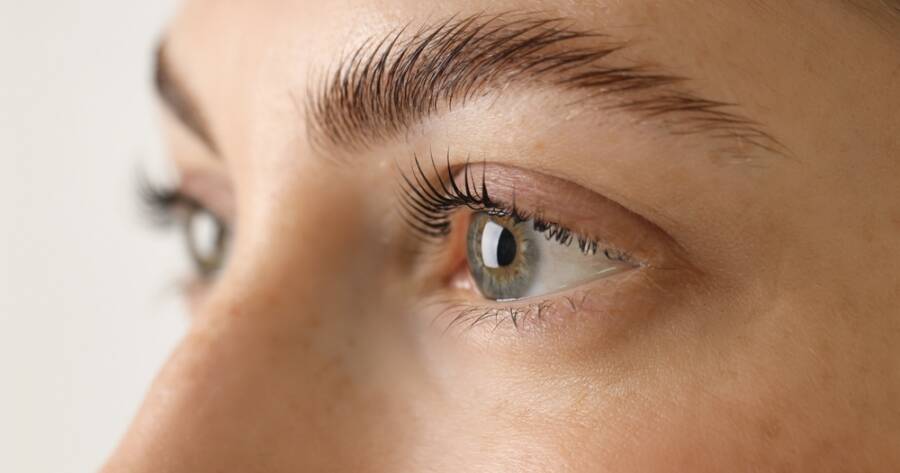
Eyelash mites are a normal part of human skin, but problems can develop when their numbers become unusually high around the eyelids. Age, certain health conditions, eye-area factors, and lifestyle habits can all be associated with greater risk. Understanding what encourages Demodex overgrowth can make persistent itching, redness, and eyelid irritation easier to recognize and address.
What Are Eyelash Mites?
Eyelash mites, scientifically known as Demodex mites, are microscopic organisms that naturally inhabit the skin around the eyes. These tiny creatures are cigar-shaped and measure only about a third of a millimeter in length, equipped with four pairs of legs (source). At low population levels, they are generally harmless. However, when conditions allow their numbers to grow unchecked, the result can be significant irritation, inflammation, and disruption to normal eyelash growth.
Two distinct species are responsible for eyelid-related issues. Demodex folliculorum tends to inhabit the hair follicles of eyelashes, while Demodex brevis favors the meibomian glands along the edges of the eyelids (source). Together, an overpopulation of either species can set off a condition known as Demodex blepharitis, which is considered the most prevalent form of eyelid inflammation.
The 4 Main Causes of Eyelash Mites
Understanding what causes eyelash mite overpopulation is the first step toward addressing the problem effectively. Several key factors consistently contribute to a surge in Demodex activity around the eyes.
1. Aging and Reduced Skin Defenses
Age is one of the strongest contributors to elevated Demodex mite counts. As the body grows older, the immune response naturally weakens, and skin cell turnover slows. This creates an environment that is more hospitable to mite activity. People over the age of 65 face a noticeably higher risk of developing problems related to eyelash mite overgrowth (source). Additionally, older adults who act as caregivers for other elderly individuals may face increased exposure to mites, since direct contact can facilitate mite transmission (source).
2. A Compromised Immune System
A healthy immune system helps keep Demodex populations in check. When that system is weakened, whether by an underlying health condition or by medications that suppress immune function, mites have a greater opportunity to multiply (source). Conditions such as diabetes and rosacea are specifically associated with higher Demodex mite counts, as both can affect how the immune system and skin barrier function (source). For individuals managing these conditions, monitoring eye health becomes especially important.
3. Poor Eyelid Hygiene
The anatomy of the face makes eyelid hygiene uniquely challenging. Positioned between the nose, eyebrows, and cheeks, the eyelid area is harder to clean thoroughly compared to other areas of the face. When debris, oils, and dead skin cells accumulate at the base of the lashes, the environment becomes ideal for mite multiplication. Regular, gentle cleansing of the eyelid margins can help prevent the buildup that allows Demodex populations to escalate. This is also one reason why contact lens wearers may be at higher risk — improper lens care and reduced attention to eyelid hygiene can contribute to mite overgrowth (source).
4. Lifestyle Factors Including Smoking and Alcohol Use
Certain lifestyle habits have also been linked to an increased likelihood of Demodex overpopulation. Smoking and excessive alcohol consumption are both recognized risk factors for eyelash mite problems (source). These habits can affect immune function, skin health, and the body’s natural ability to maintain balanced microbial populations. Addressing these lifestyle factors may therefore play a role in reducing the risk of recurrent or severe Demodex-related eyelid issues.
Why Eyelash Mite Overpopulation Matters
When Demodex mites proliferate beyond normal levels, the consequences extend well past minor itching. An overabundance of mites can introduce bacteria to the eye area, clog the oil-producing glands along eyelid edges, leave behind waste products that irritate surrounding tissue, and cause eyelashes to grow at abnormal angles (source). Left unaddressed, the long-term effects can include thinning or loss of eyelashes, recurring eye infections, and even changes in vision (source). Recognizing the causes early gives individuals a meaningful advantage in protecting their long-term eye health.
Why You Should Learn More About Eyelash Mites Today
Eyelash mites are a surprisingly widespread concern that often goes unrecognized because their symptoms (itching, redness, and eyelid irritation) are easily mistaken for other conditions. Knowing the four main causes, including aging, immune dysfunction, inadequate eyelid hygiene, and certain lifestyle habits, helps clarify why some individuals are more vulnerable than others.
Identifying these risk factors early can make a meaningful difference in protecting eye comfort and long-term health. FDA-approved treatments do exist for Demodex blepharitis, and eye care professionals can provide accurate diagnosis and appropriate management options for those experiencing persistent eyelid problems related to mite overgrowth.