

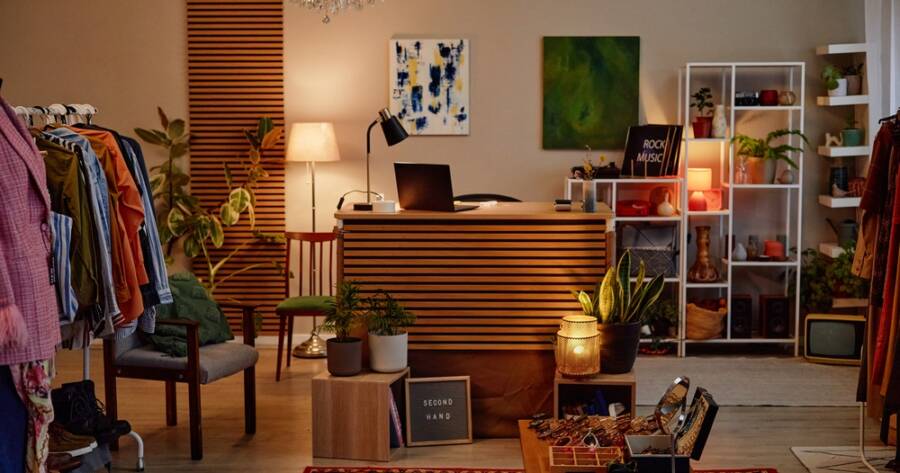
That forgotten box in the closet or unused item tucked away in the garage may be worth a second look. As resale becomes easier and more mainstream, belongings that once seemed destined for donation or the trash can sometimes attract willing buyers. Knowing what tends to hold value can make clearing out a home feel a little more rewarding.
The Secondhand Market Is Bigger Than Most People Realize
The resale economy in the United States has grown into a significant financial force. The U.S. secondhand market reached a value of $56 billion in 2025, reflecting a year-over-year increase of 14.3%, and analysts project that figure to climb to $79 billion by 2030 (source). These numbers reflect more than a passing trend — they signal a structural shift in how Americans buy and sell goods.
Online resale has played a major role in accelerating this shift. Digital platforms made it far easier for ordinary people to connect with buyers, and the results have been striking. Online resale grew by 23% in a single year, marking the second consecutive year of accelerated growth according to the ThredUp Resale Report (source). For anyone sitting on unused belongings, this environment represents a genuine financial opportunity.
What Kinds of Items Carry Real Resale Value
One of the most common misconceptions about resale is that only rare antiques or expensive collectibles are worth selling. In reality, resale activity spans a remarkably wide range of product categories. Electronics, furniture, housewares, and apparel are all seeing growing demand in the secondhand space (source). Items that once seemed too ordinary to bother listing online are now finding eager buyers.
Clothing remains one of the strongest categories. U.S. secondhand apparel sales rose 14% in 2024 alone, a pace five times faster than the broader apparel market (source). Gently used clothing from recognizable brands, outgrown children’s items, and vintage pieces are among the types that consistently attract buyers. Even everyday wardrobe staples that no longer see use can fetch meaningful returns when listed on the right platform.
Fine jewelry occupies a particularly compelling position in the resale landscape. Sales of pieces valued above $5,000 from prestigious brands such as Cartier, Tiffany & Co., and Van Cleef & Arpels grew 22% year-over-year (source). While not everyone owns high-end jewelry, many households hold pieces from past occasions — gifts, inherited items, or accessories purchased for events — that could carry more value than expected.
Everyday Items Worth Checking Before You Donate
Before dropping unwanted belongings at a donation center, it can be worth checking whether certain items still have an active resale market. Used electronics such as smartphones, tablets, laptops, smartwatches, and cameras are commonly sold online, while clothing, shoes, furniture, home décor, sporting goods, musical instruments, toys, and collectibles also appear across major resale platforms (source). Brand, model, condition, age, and current demand can all influence what a buyer may be willing to pay.
Even ordinary household items can deserve a quick search before being given away. Older gaming equipment, small appliances, recognizable cookware, hobby supplies, handbags, sneakers, and pieces of furniture may attract buyers when they are in usable condition. Sellers can compare similar listings and recent market prices before deciding whether something is worth the effort to sell. Clear photos, accurate descriptions, model information, and honest details about wear can also make it easier for buyers to judge an item’s value (source).
Why Shoppers Are Prioritizing Resale Value Before They Even Buy
Consumer thinking about resale has evolved beyond simply selling old things. A growing segment of buyers now factor in an item’s future resale potential at the moment of purchase. Among Gen Z consumers, 67% report considering an apparel item’s resale value before deciding to buy it (source). This forward-looking mindset treats purchases as investments rather than pure expenses, effectively treating wardrobes and homes as portfolios of potential assets.
This behavioral shift also helps explain why resale demand continues to climb. As more buyers seek out secondhand goods with strong resale potential, sellers who understand which items hold their value gain a meaningful advantage. Knowing that a particular brand, material, or product type retains demand over time allows someone to make smarter decisions about what to keep, donate, or sell.
The Financial Case for Exploring What You Already Own
Beyond the broader market dynamics, the personal financial benefits of resale are concrete and measurable. American consumers who regularly purchase secondhand goods save an average of $1,452 per year compared to buying new (source). The appeal is straightforward: 89% of secondhand consumers choose used goods primarily because of the cost savings involved (source).
The same logic applies in reverse when selling. Items sitting unused in a home represent capital that could be converted into cash. A piece of furniture replaced during a renovation, a set of kitchen appliances no longer in use, or electronics that have been upgraded — all of these have real market value to someone actively searching for them. The key is recognizing that the potential value exists before dismissing an item as worthless or donating it without investigating further.
Approaching a home with fresh eyes and a resale mindset can reveal opportunities that would otherwise go unnoticed. Seasonal items, hobby equipment, brand-name goods in good condition, and even everyday household products can generate returns when the seller takes time to assess what they have. The secondhand market’s continued expansion means more buyers are out there looking for exactly the kinds of items many people already own.
Why You Should Learn More About Resale Items Today
The resale market’s rapid growth has created real financial opportunity for anyone willing to take a closer look at what they already own. From apparel and electronics to furniture and fine jewelry, the range of items holding genuine resale value is broader than most people expect.
Understanding market trends, which categories are gaining momentum, and how buyers evaluate secondhand goods positions anyone to make better decisions about their possessions. Whether the goal is generating extra income, reducing clutter, or simply making more informed purchasing choices, the expanding resale economy rewards those who take the time to understand it.