

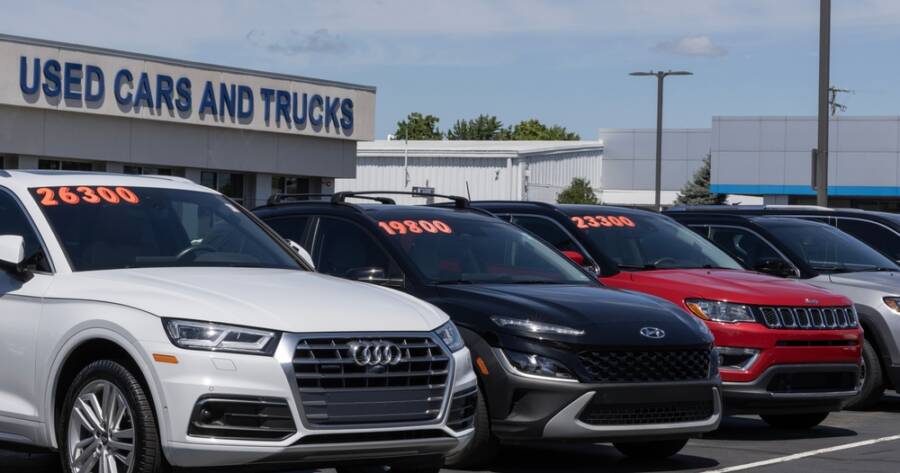
Purchasing a used car offers a pathway to value and savings by avoiding the high depreciation of new vehicles. The choice can reduce insurance fees, taxes, and loan amounts, while offering enhanced budget flexibility. Understanding ownership costs, detailed research, and strategic negotiation are pivotal for a rewarding purchase journey and long-term satisfaction.
Navigating the World of Used Cars: Key Considerations
Choosing a used car presents a splendid opportunity to maximize value while avoiding the steep depreciation commonly associated with new vehicles. This reduction in initial cost can also lower related expenses such as insurance fees and taxes. However, to make an informed decision, understanding the comprehensive ownership costs, potential pitfalls, and smart buying strategies is crucial.
Understanding Depreciation and Value
One of the most significant advantages of purchasing a used car is its reduced depreciation rate. New cars can lose approximately 20% of their value within the first year and up to 60% by the fifth year.
Opting for a used vehicle allows buyers to strategically bypass this rapid depreciation curve, potentially securing a model with more features at a lower cost than its newer counterpart. As a result, buyers can enjoy a stable investment and even better resale value over time.
Financial Benefits and Budgeting Strategies
Funding a used car typically involves lower loan amounts, which reduces the risk of ending up with a car that is worth less than the remaining balance on the loan. To optimize this, setting a realistic budget is essential.
Buyers are advised to keep total monthly car-related expenses under 20% of their income and consider making a down payment that secures better loan terms. Pre-approved financing options can offer clarity on the budget, aiding in negotiating favorable terms with sellers.
The Importance of Research and Inspections
Thorough research and meticulous inspection are foundational to choosing the right used car. Utilizing resources like Kelley Blue Book or Edmunds helps in understanding a car’s market value and reliability.
Potential buyers should not underestimate the value of a vehicle history report, which reveals past incidents such as accidents or flood damage, thus aiding in insightful decisions regarding future repair costs. Additionally, a professional mechanic’s inspection, though initially costly, can be instrumental in identifying any hidden issues, potentially saving money down the line.
Negotiation and Purchase Strategies
When negotiating the purchase of a used car, focusing on the overall price rather than monthly payments is strategic. Armed with research on vehicle pricing and awareness of potential hidden costs, buyers can navigate the transaction with confidence.
Certified Pre-Owned (CPO) vehicles present a balance of quality and affordability, offering extended warranties that diminish repair costs and ensure peace of mind. Ultimately, understanding the value and walking away from unfavorable deals remain critical outcomes in negotiations.
Long-Term Ownership Costs and Considerations
The true cost of owning a used car extends beyond the purchase price. Regular maintenance such as oil changes, tire rotations, and brake inspections are necessary to avoid costly breakdowns later.
Buyers should budget for average annual expenses, including depreciation, insurance, maintenance, and fuel, which can amount to substantial yearly costs. Additionally, unexpected repairs, particularly in high-mileage vehicles, can be mitigated with extended warranty options that cover uncertain expenses.
Learn More About Choosing the Right Used Car
Selecting the right used car goes beyond just making a purchase—it’s an investment in reliability, value, and financial stability. A well-researched choice ensures enjoyment of a vehicle that meets your needs without unexpected financial burdens. Investigating vehicle history, thoroughly inspecting options, and negotiating effectively can greatly influence both short-term enjoyment and long-term satisfaction.
Providing yourself with this knowledge not only increases peace of mind but also enhances the overall car ownership experience. Embarking on this journey with the right information empowers potential buyers to avoid unnecessary repair costs while maximizing their investment.